Overview
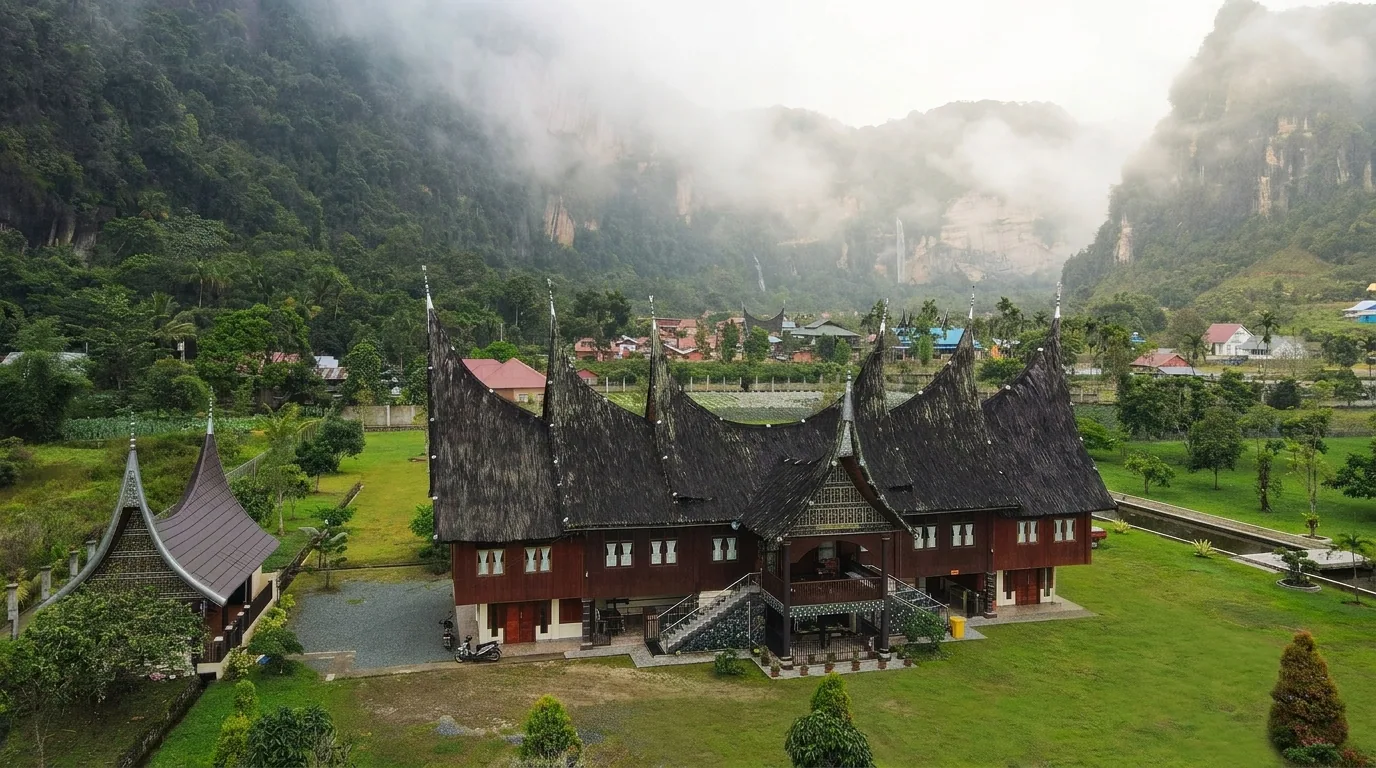
Harau Valley is one of the most memorable landscapes in West Sumatra. It is a quiet canyon of steep cliffs, green rice fields, small villages, streams, and waterfalls dropping from the rock walls.
Many travelers visit Harau as a day trip from Bukittinggi. That can work. But Harau feels much richer when you give it time. One night under the cliffs can change the whole mood of the visit. You hear village sounds in the evening, see the fields without day-trip crowds, and wake up with the rock walls close around you.
This guide is written for travelers who want a practical and honest picture of Harau Valley. It covers what to expect, how to get there, where to stay, what to do, how difficult the walks are, and whether Harau should be a day trip or an overnight stay.
Harau is not a luxury destination. That is part of its character. The best version of Harau is slow, rural, slightly simple, and deeply scenic.
Who Harau Valley is for
Harau Valley is a strong choice if you enjoy nature, village life, and simple outdoor experiences.
It suits travelers who want:
- Rice field walks
- Waterfalls and natural pools
- Rural views under dramatic cliffs
- Simple homestays or bungalows
- Light hiking or slow cycling
- Photography and quiet mornings
- A softer nature stop between Bukittinggi and other West Sumatra routes
Harau is less suitable if you need full hotel comfort, polished restaurants, nightlife, shopping streets, or constant entertainment.
Some parts of the valley are developed for local family tourism, with selfie spots and weekend activity. Other corners are quieter, especially near homestays facing rice fields and cliffs. Your experience depends heavily on where you stay, when you visit, and how the day is planned.
Where Harau Valley is
Harau Valley lies in Lima Puluh Kota Regency, near Payakumbuh, in West Sumatra.
It is commonly visited from Bukittinggi because the drive is manageable and fits well into a highland itinerary. Travelers coming from Riau or Pekanbaru by road may also include Harau as an early West Sumatra highlight.
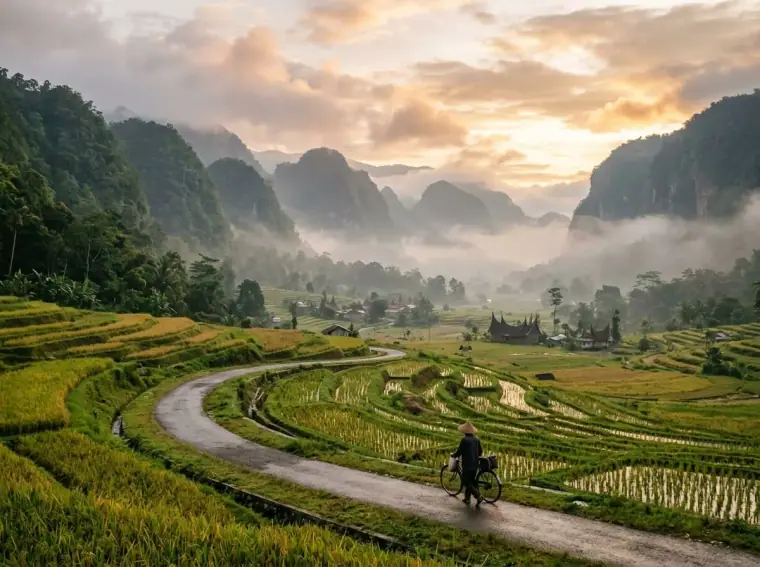
The landscape is easy to recognize. A relatively flat valley floor sits between tall rock walls. Rice fields, village houses, mosques, fish ponds, streams, and small roads fill the lower area. Waterfalls drop from the cliffs, especially after rain.
This is not a wide-open mountain viewpoint. Harau feels enclosed. You are inside the valley, with the cliffs always somewhere in your field of view.
How Harau fits into a West Sumatra itinerary
Harau can be used in several ways.
As a day trip from Bukittinggi
This is the easiest version for short trips. You leave Bukittinggi after breakfast, spend late morning and early afternoon in the valley, visit one or two waterfalls, take a short walk, have lunch, then return to Bukittinggi before dark.
This works well for 5-day West Sumatra itineraries or travelers who prefer staying in one highland base.
As a one-night stay
This is often the better option if you enjoy photography, slow travel, and rural atmosphere. One night gives you evening and morning in the valley, which day visitors usually miss.
You can walk at a gentler pace, enjoy your homestay, and avoid treating Harau as a quick waterfall stop.
As a two- or three-night slow stay
This is for travelers who want to settle in. Two or three nights allow time for waterfalls, valley-floor walks, cycling, cooking with hosts, guided countryside hikes, and long quiet hours under the cliffs.
This version is not for everyone, but for slow travelers it can become one of the most rewarding parts of West Sumatra.
How to get to Harau Valley
Most travelers reach Harau by private car with a driver.
From Bukittinggi, the drive usually takes around 1.5 to 2 hours with practical stops. From Padang, it is a much longer journey, usually passing through Bukittinggi and Payakumbuh. From Payakumbuh, Harau is close enough for a short transfer.
Private car and driver
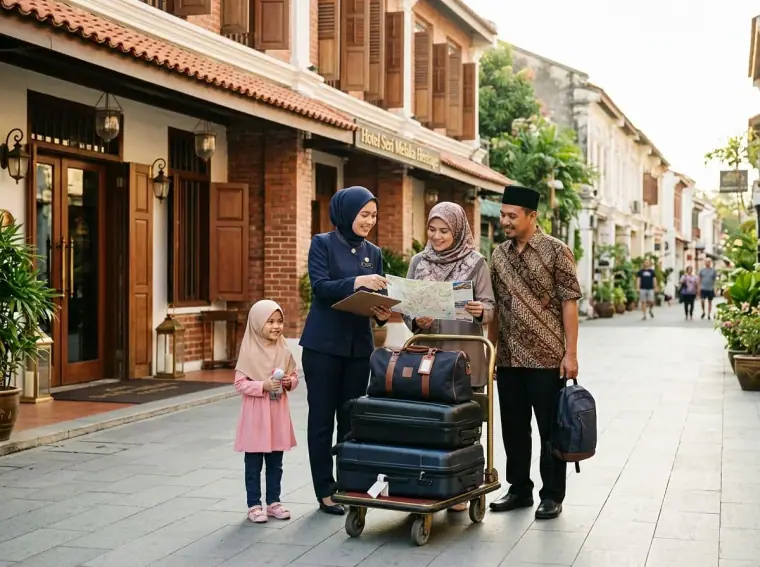
A private car is the smoothest option, especially if you are carrying luggage, traveling with family, or planning to continue to another destination after Harau.
A private driver also makes the day easier because you can stop for viewpoints, lunch, markets, or small village roads without worrying about public transport timing.
Public transport
Public transport is possible, but less simple. You may need to travel by shared car or minibus toward Payakumbuh, then continue by local taxi, ojek, or arranged pickup into the valley.
This can work for backpackers with more time. For short private tours, it is usually not the best use of your day.
Getting around inside the valley
Inside Harau, you move by walking, scooter, bicycle, or short car rides. The valley floor is not huge, but the waterfall areas, homestays, village roads, and quieter corners are spread out enough that transport can help.
If you stay overnight, ask your host which routes are safe and pleasant for walking.
Understanding the valley layout
Harau is not one single attraction gate. It is a wider valley with several zones.
Main valley road
The main road follows the valley floor and connects fields, villages, homestays, ponds, and waterfall areas. This is where you get the classic Harau feeling: tall cliffs rising behind rice fields and houses.
Waterfall areas
Several named waterfalls sit in different clusters. Sarasah Bunta and Aka Barayun are among the better-known areas, though local names and access conditions can vary.
Some waterfalls are easy to reach from parking areas. Others may require short walks, steps, or paths that become slippery after rain.
Family recreation zones
Parts of Harau have family parks, themed photo spots, playground-style areas, and weekend crowds. These can be fun for local families, but they may not be what international slow travelers imagine when they picture Harau.
It is better to know this in advance. If you want a quieter experience, plan your route and accommodation carefully.
Quiet homestay areas
The most atmospheric stays are often in quieter stretches facing paddies and rock walls. They may be simple, but they give you a stronger sense of place.
For many travelers, this is where Harau feels special.
Staying in Harau Valley
Most accommodation in Harau is small-scale. Expect homestays, bungalows, guesthouses, and simple lodges rather than large hotels.
What homestays are usually like
A typical Harau stay may include:
- A simple room or bungalow
- A veranda or sitting area
- Views toward rice fields, ponds, or cliffs
- Basic bathroom facilities
- Home-cooked meals
- Local hosts who can arrange walks, scooters, guides, or meals
Some rooms may have cold-water bathrooms. Some may not have air-conditioning. Wi-Fi can be limited or stronger only in common areas. Mobile signal can vary.
This does not make the stay bad. It just means expectations matter.
Why stay overnight
Staying overnight lets you experience Harau before and after the busiest hours. The evening can be calm. The morning light can be beautiful. You have more chances for mist, quiet walks, and slow meals.
If you only visit as a day trip, you can still enjoy the valley. But you may miss the atmosphere that makes Harau linger in memory.
What to check before booking
Before booking a Harau homestay, ask:
- Is hot water available?
- Is there Wi-Fi, and where does it work?
- Are meals available on site?
- Can the host arrange a guide?
- How far is the accommodation from the main road or waterfall areas?
- Is there noise from weekend activities nearby?
- Are there many stairs or uneven paths?
A good stay in Harau is less about luxury and more about location, host quality, and realistic expectations.
Things to do in Harau Valley
Harau is best enjoyed through simple activities. You do not need an aggressive schedule.
Visit waterfalls and natural pools
Waterfalls are the most obvious attraction in Harau. Some are popular with local families, especially on weekends and holidays. Others feel quieter depending on season, water flow, and access.
You can visit one or two accessible waterfalls in a day trip. If you stay overnight, spread them out and avoid rushing.
Rocks and steps can be slippery. Wear footwear with grip and be careful around wet surfaces. Do not climb wet rocks for photos. It is not worth the risk.
Walk through rice fields and village roads
A valley-floor walk is one of the most satisfying Harau experiences.
You pass paddy edges, small bridges, houses, mosques, ponds, and fields, with cliffs always nearby. There may not be a dramatic “destination” at the end of the walk, but the movement itself is the experience.
Stay on established paths. Much of the land is farmed or belongs to families. Ask your host or guide before wandering into fields or private areas.
Try easy cycling
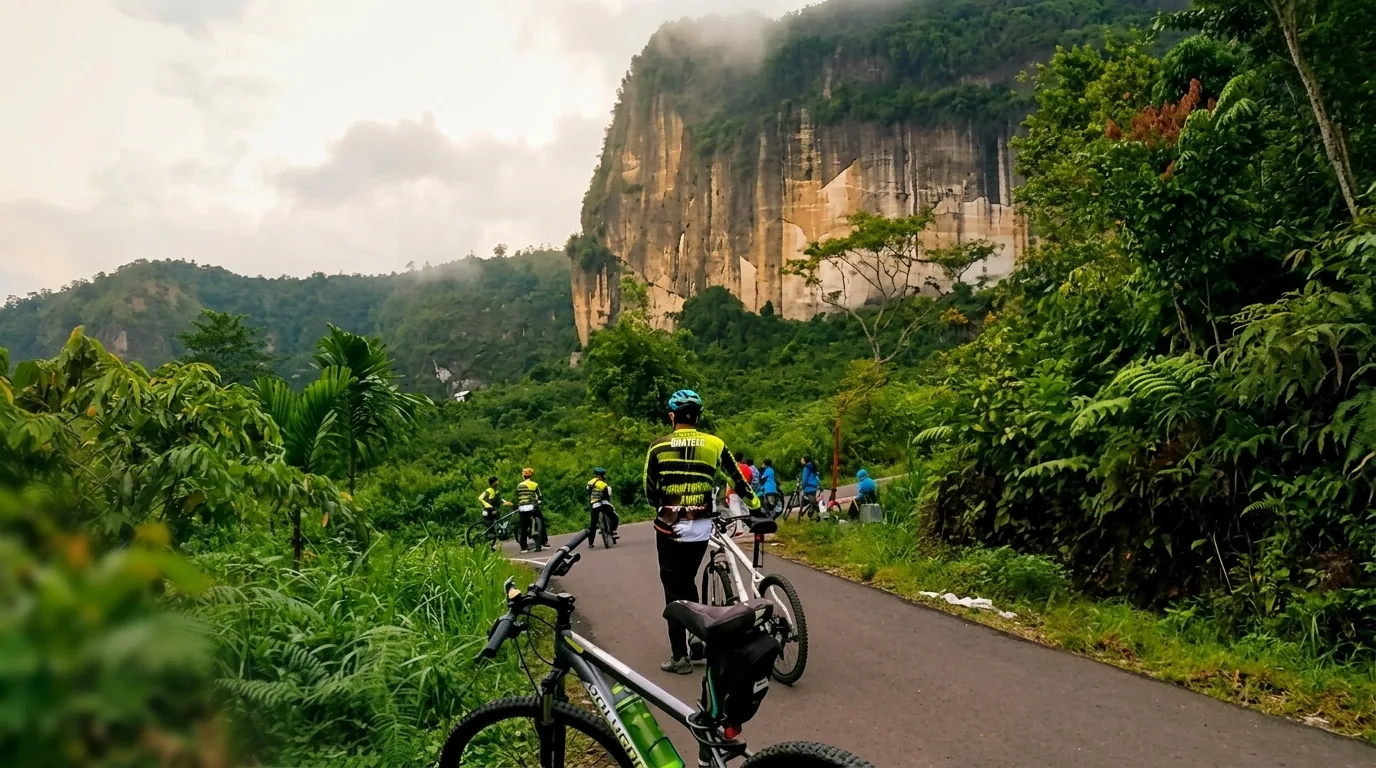
The flatter parts of the valley can be pleasant for slow cycling. This is not a high-performance cycling route. Think of it as relaxed movement through fields, villages, and quiet roads.
Road quality varies, so ride slowly and check bike condition before starting.
Join a cooking session or shared meal
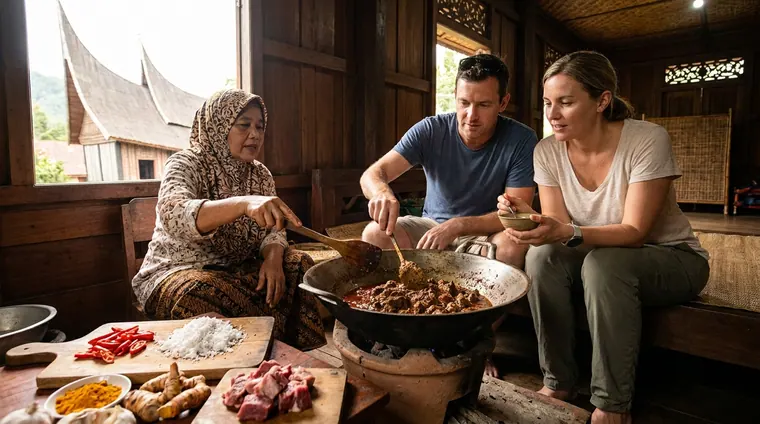
Some homestays can arrange home-cooked meals or simple cooking experiences. This can be more meaningful than adding another sightseeing stop.
A shared meal gives you a better feel for local rhythm, ingredients, and family life.
Take a scooter or guided village circuit
If you want to see more without long walking, a scooter ride or guided short circuit can help. This works well for photographers and slow travelers who want multiple angles of the valley without turning the day into a trek.
Hiking and trekking in Harau
Harau offers different levels of walking. The key is to choose the right level for your fitness and weather.
Easy valley-floor walks
These are mostly flat or gently sloping walks along village roads, paddy paths, and nearby waterfall areas.
They suit families, older travelers, and visitors who want movement without a serious hike. Many easy walks can be done independently after asking your homestay for route advice.
Moderate countryside hikes
Moderate hikes may include dirt tracks, low viewpoints, forest edges, paddy paths, and some climbs.
These routes can be beautiful, but they are not always marked clearly. After rain, the ground can be muddy. A local guide is recommended.
Longer jungle or ridge treks
Longer treks can involve steeper slopes, jungle sections, ridge routes, and more demanding terrain.
Only do these with a reputable local guide. Check recent rainfall, weather, route condition, and your own fitness. Bring enough water, snacks, rain protection, and a small first-aid kit.
If you are unsure, choose a shorter route. Harau does not need to be difficult to be rewarding.
Harau for photographers and slow travelers
Harau is a strong destination for photographers because the landscape has layers: cliffs, fields, ponds, houses, mist, people, and changing light.
The best images are often not at the most obvious attractions. They happen on village roads, near rice fields, at homestay verandas, or during a quiet morning walk.
Best photo moments
Consider planning around:
- Early morning mist
- Late afternoon cliff light
- Reflections in ponds or wet fields
- Farmers working in the valley
- Small mosques under the cliffs
- Wooden houses and homestay details
- Waterfalls after rain
Ask before taking close portraits. Be careful with drones, and check local expectations before flying near homes, fields, or religious areas.
Why slow travel works here
Harau can feel disappointing if you only rush between named waterfalls and selfie parks. It becomes much better when you slow down.
A slower visit lets you notice ordinary things: smoke from a kitchen, a child cycling past, rain hitting the veranda, frogs at night, or the way cliffs change colour after sunset.
For the right traveler, these small details are the reason to come.
Is Harau Valley right for you?
Harau is probably right for you if you enjoy nature, simple places, rural life, photography, walking, and local contact.
It may not be right if you need high-end hotels, many restaurant options, nightlife, air-conditioned malls, or perfectly polished tourism facilities.
Families can enjoy Harau if they choose easy walks and simple waterfall visits. Older travelers can enjoy it with good transport, careful accommodation choice, and limited walking. Photographers and slow travelers may want at least one night.
The main question is not whether Harau is beautiful. It is. The real question is whether its simplicity matches your travel style.
Practical tips for Harau Valley
Weather and clothing
Harau is humid and rain can arrive quickly. Bring a light rain jacket or poncho. Wear breathable clothing and pack a thin layer for cooler evenings near fields or water.
Footwear
Bring shoes or sandals with good grip. Waterfall areas, stones, and dirt paths can be slippery after rain.
Cash
Carry enough cash before entering the valley. ATMs are more reliable in larger towns such as Payakumbuh or Bukittinggi.
Connectivity
Mobile signal and Wi-Fi can vary. Download offline maps and save your accommodation contact before arrival.
Food and supplies
Food options inside the valley can be limited, especially outside busy areas. If you have dietary needs, tell your host or operator before arrival.
Prayer facilities
Prayer spaces and mosques are available in many village areas and popular stops. Muslim travelers usually find Harau straightforward, but timing prayer breaks is easier with a local driver or guide.
Safety
At waterfalls, avoid wet rock climbing and strong water flow. Near cliffs, avoid standing too close to the base after heavy rain. For hikes, use a guide and avoid unmarked shortcuts.
Sample one-day Harau Valley visit
A one-day visit works well if you are based in Bukittinggi and have limited time.
Start early from Bukittinggi and arrive in Harau by mid-morning. Begin with a valley-floor walk near rice fields and village roads. Continue to one or two accessible waterfalls before lunch.
After lunch, visit a quieter area or take a short guided walk if the weather is good. In the late afternoon, return to Bukittinggi before dark.
This version gives you a taste of Harau, but it should stay focused. Do not try to visit every named waterfall.
Sample two-day slow stay
A two-day Harau stay gives the valley more space.
Day 1
Arrive from Bukittinggi or Payakumbuh. Check into your homestay. Take an easy rice field walk, visit a nearby waterfall, and enjoy a slow dinner at your accommodation.
Day 2
Start with a morning walk or guided countryside hike. Spend the afternoon cycling, visiting another waterfall, or relaxing on the veranda. If your host offers a cooking session or shared meal, this is a good day for it.
You can leave the next morning or continue into another West Sumatra route.
What to avoid
Try to avoid these common mistakes:
- Visiting Harau only as a rushed photo stop
- Expecting hotel-style comfort in every homestay
- Walking into private fields without asking
- Climbing wet waterfall rocks for photos
- Ignoring weather before longer hikes
- Forgetting cash before entering the valley
- Assuming every area is quiet on weekends
- Flying a drone near homes or people without permission
- Treating local guides as optional for unclear trekking routes
- Packing too many waterfalls into one short day
Harau works better when the plan is simple, flexible, and respectful.
Suggested private Harau experience
A private Harau Valley experience can be built around a few different styles.
Harau day trip from Bukittinggi
Private car from Bukittinggi, valley walk, one or two waterfalls, local lunch, short village stop, return before dark.
Harau overnight nature stay
Private transfer, simple homestay under the cliffs, rice field walk, waterfall visit, home-cooked dinner, morning walk, return to Bukittinggi or continue onward.
Harau slow travel stay
Two or three nights in the valley, guided countryside hike, cycling, cooking session, photography time, and quiet breaks between activities.
Harau family-friendly visit
Short walks, easy waterfall access, flexible meal stops, limited hiking, and accommodation with minimal stairs or difficult paths.
How Calvoya can help
Calvoya can help you decide whether Harau should be a day trip, one-night stay, or slower valley escape inside your West Sumatra journey.
We can help you:
- Arrange private transport from Bukittinggi, Padang, Payakumbuh, or Riau-side routes
- Choose a suitable homestay or valley accommodation
- Add local guides for rice field walks, waterfalls, or countryside hikes
- Adjust the visit for families, older travelers, photographers, or slow travelers
- Plan realistic timing around rain, road conditions, and daylight
- Combine Harau with Bukittinggi, Lake Maninjau, Minangkabau villages, or Padang
- Include halal meals and prayer stops where needed
- Keep the route calm instead of turning Harau into a rushed checklist
If Harau Valley sounds like the kind of place you want to experience, share your dates, group size, arrival point, and travel style. Calvoya can shape it into a private West Sumatra journey that fits your pace.
FAQ
How many nights should I spend in Harau Valley?
One night gives you a stronger experience than a quick day trip. Two or three nights are better if you want slow travel, photography, cycling, guided hikes, and quiet time at a homestay.
Is Harau better as a day trip or overnight stay?
A day trip works if you are short on time. An overnight stay is better if you want morning light, rural atmosphere, and a calmer experience under the cliffs.
Can I visit Harau Valley from Bukittinggi?
Yes. Harau is commonly visited from Bukittinggi by private car. It works as either a day trip or an overnight stop.
Is Harau Valley suitable for families?
Yes, if you keep the activities gentle. Choose short walks, easy waterfalls, and accommodation with simple access. Avoid slippery rocks and longer hikes with young children.
Do I need a guide in Harau Valley?
You can do simple valley-floor walks and main waterfall stops with local advice. For longer hikes, jungle routes, ridge walks, or unclear paths, a local guide is strongly recommended.
What should I pack for Harau?
Bring footwear with good grip, light rain protection, insect repellent, enough cash, a small torch or headlamp, a dry bag for electronics, and comfortable clothing for humid weather.
Is accommodation in Harau basic?
Yes, most stays are simple homestays, bungalows, or guesthouses. They can be beautiful and memorable, but do not expect full hotel facilities everywhere.
Is Harau good for photography?
Yes. Harau is excellent for photography, especially in the morning and late afternoon. Rice fields, cliffs, waterfalls, ponds, houses, and mist create strong visual variety.
Can I combine Harau with Lake Maninjau or Bukittinggi?
Yes. Harau pairs naturally with Bukittinggi and can also fit into longer highland routes that include Lake Maninjau, Minangkabau villages, and Padang.
Can Calvoya arrange a private Harau Valley tour?
Yes. Calvoya can arrange transport, homestays, local guides, waterfall visits, village walks, family-friendly pacing, photography time, and overnight or day-trip versions based on your travel style.