Overview
Padang is often the first city travelers meet in West Sumatra. Many people treat it only as an airport stop before going to Bukittinggi, Harau Valley, Lake Maninjau, or the Mentawai Islands. That would be a small mistake.
Padang is not a polished resort city, and that is part of its appeal. It feels local, coastal, busy, food-driven, and strongly connected to Minangkabau culture. You can walk near old streets and Chinatown, watch the evening life along Taplau or Padang Beach, visit the Grand Mosque of West Sumatra, try iconic dishes in their home region, and use the city as a practical base before heading inland or offshore.
This guide is written for first-time visitors who may only have one or two nights in Padang. It helps you understand where to go, what to eat, where to stay, how Padang fits into a wider West Sumatra route, and how to keep the city visit realistic.
Why Padang is worth a stop
Padang is the capital of West Sumatra and the main gateway to the Minangkabau highlands. It is also one of the easiest places to start understanding the region before you travel deeper into the villages, valleys, lakes, or islands.
The city is worth pausing in for three main reasons.
First, Padang sits on the Indian Ocean coast. The beaches here are not luxury resort beaches, but they are lively local spaces. Taplau, Air Manis, Nirwana, and Pasir Jambak give you sunset views, seaside snacks, and a feel for how local families spend their evenings.
Second, Padang is one of Indonesia’s most important food cities. Rendang, nasi Padang, soto Padang, sate Padang, gulai, and many other Minangkabau dishes feel different when you eat them here. The flavours are bold, rich, spicy, and deeply tied to local identity.
Third, Padang works as a practical hub. You can stay here before a highland route to Bukittinggi and Harau Valley, after returning from the mountains, or before taking a ferry or speedboat to the Mentawai Islands.
Getting oriented in Padang
Padang is reasonably compact, but each area has its own character. A first-time visitor does not need to see every corner. It is better to understand the main areas and choose based on your time, interest, and hotel location.
Old Town and Chinatown
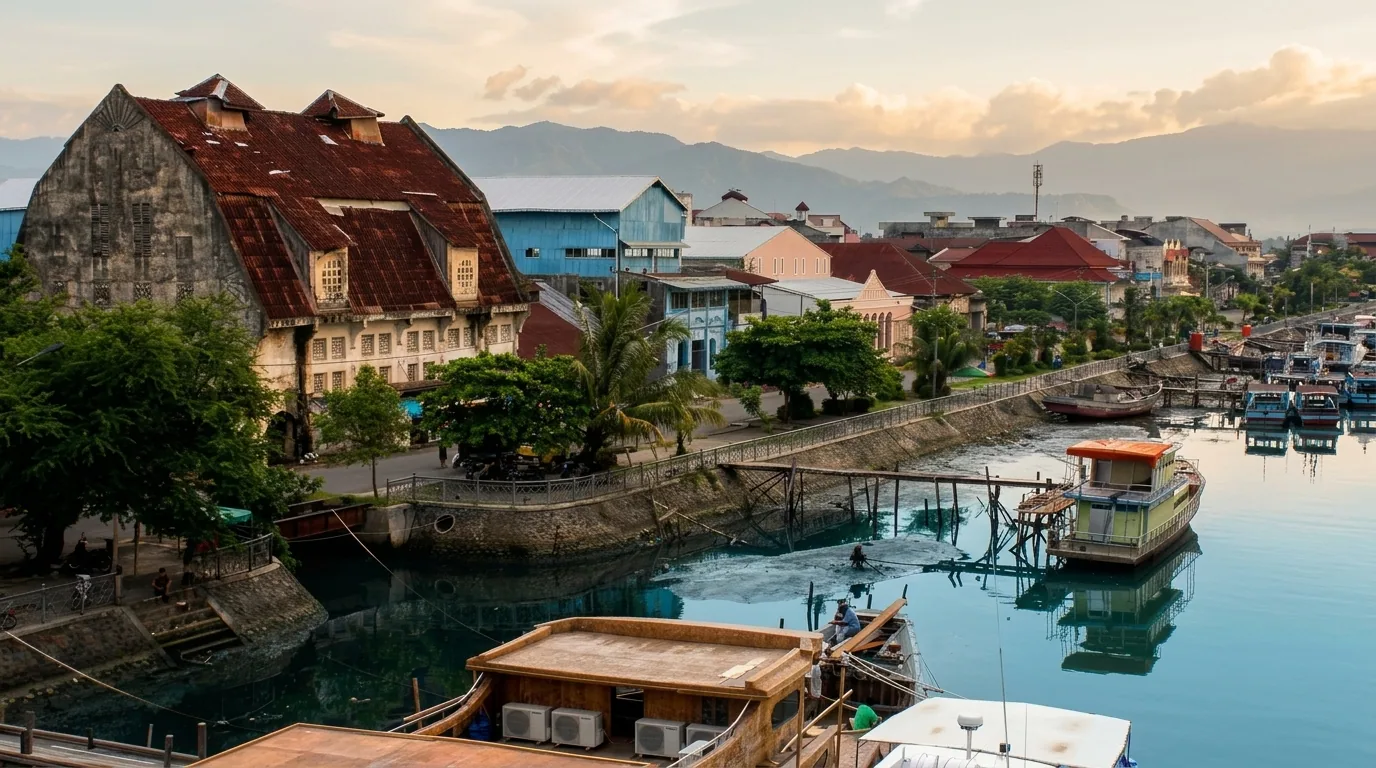
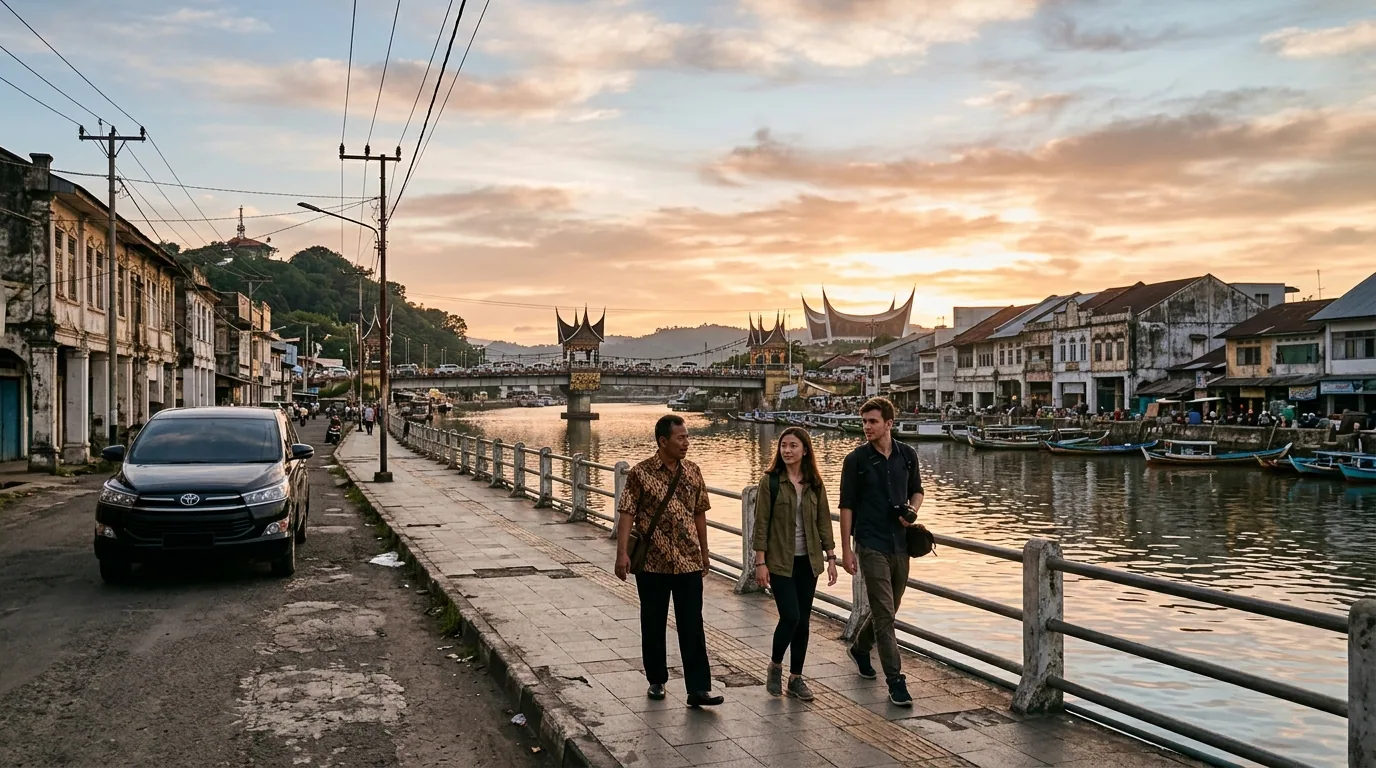
The old town and Chinatown area sit near the river and port. This part of Padang has Dutch-era buildings, Chinese shophouses, small temples, warehouses, and streets leading toward Siti Nurbaya Bridge.
It is a good area for short walks, heritage photography, and seeing the older side of the city. Do not expect a restored museum district. The charm is more uneven and lived-in. Some buildings look faded, some streets feel busy, and the atmosphere changes from block to block.
That local texture is exactly why the area is interesting. It gives you a sense of Padang as a working port city, not a staged tourist zone.
Taplau and Padang Beach
Taplau is the local name often used for Padang Beach, the main urban seafront. This is one of the easiest places to spend an evening in the city.
You come here for sunset, snacks, people-watching, and a casual coastal walk. Warungs, street-food stalls, and simple cafés become busier toward late afternoon and evening.
Taplau is not a place for serious swimming. Treat it as an atmospheric city beach. Sit down, order something simple, watch local families and students gather, and let the city slow down a bit.
Air Manis and Nirwana
South of the city centre, Air Manis Beach and Nirwana Beach give you a different coastal feel.
Air Manis is known for the Malin Kundang legend and its rock formation. The beach has wide sand flats and small offshore areas that may be easier to see at low tide. It is a good half-day outing if you want a local legend, sea views, and a bit of coastal space beyond the city centre.
Nirwana Beach is quieter and often works better for a relaxed scenic drive or a slower seaside stop. It is not a polished resort experience, but it can be pleasant if you want a less central beach.
Pasir Jambak and the northern coast
Pasir Jambak sits north of the centre in the Koto Tangah area. It is known for sunset views, family gatherings, food stalls, and a more local beach mood.
You will need transport to get there, and it may not be worth forcing into a one-night stay. But if you have two nights in Padang, or you enjoy less central beaches, Pasir Jambak can be a calm option for late afternoon.
Stadium area and everyday city life
Around Agus Salim Stadium and nearby streets, you can find night-market energy, local food, small shops, and everyday city movement. This area feels less like a formal attraction and more like normal Padang life.
For some travelers, that is exactly the point. You see where locals eat, stroll, buy small goods, and spend the evening.
Best time to visit Padang
Padang has a tropical coastal climate. It is warm and humid, and rain can happen in many months. For a short stay of one or two nights, the best approach is not to search for one perfect month. It is better to plan your activities around the time of day.
Morning and late afternoon are usually more comfortable for walking. Midday can feel hot and humid, especially near the coast or around busy streets.
If rain comes, it does not always ruin the day. You can shift toward food, cafés, markets, museums, mosque visits, or a slower city drive. Sunset plans may need flexibility, though, because cloud and rain can change the coastal mood quickly.
If Padang is part of a Mentawai trip, timing becomes more important. Ferry or speedboat schedules, sea conditions, and buffer nights matter more than city sightseeing. In that case, build your Padang stay around the island logistics first.
What to do in Padang
Padang works best when you choose a few experiences instead of trying to cover every listed attraction. For most first-time visitors, the strongest mix is culture, coast, food, and one ordinary local-life stop.
Explore the old town and Chinatown
Start with the old town and Chinatown area if you enjoy heritage streets, river views, and photography. Walk near the port-side streets, look for old shophouses, and continue toward Siti Nurbaya Bridge if the weather is comfortable.
This walk is not about polished beauty. It is about texture: old walls, trade streets, small shops, mixed architecture, river views, and a sense of Padang’s multi-ethnic history.
A guide can make this area more meaningful, especially if you want historical context rather than only photos.
Visit Adityawarman Museum
Adityawarman Museum is a useful stop if you are heading later to Bukittinggi, Harau, or Minangkabau villages. It gives background on local culture, traditional houses, and historical objects.
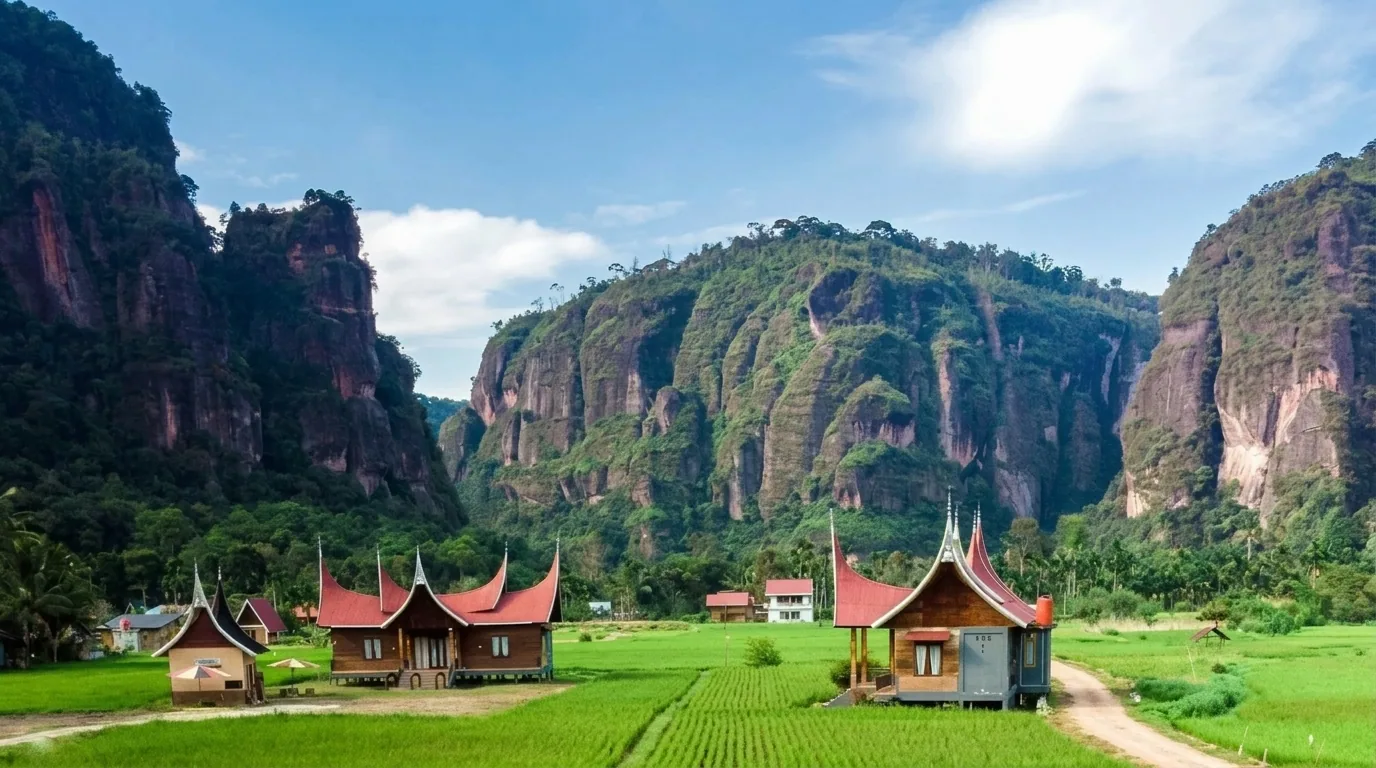
This is a good indoor option during heat or rain. It can also help you understand Rumah Gadang architecture and Minangkabau identity before seeing traditional houses outside the city.
See the Grand Mosque of West Sumatra
The Grand Mosque of West Sumatra is one of Padang’s most recognizable modern landmarks. Its design draws from Minangkabau roof forms, so it connects religious architecture with regional identity.
For Muslim travelers, it can be part of daily prayer planning. For non-Muslim travelers, it is worth visiting respectfully as an architectural and cultural landmark. Dress modestly and follow local guidance when entering or photographing the area.
Walk along Taplau at sunset
Taplau is a simple but rewarding evening stop. It gives you the coastal side of Padang without needing a long drive.
Come before sunset, find a comfortable place to sit, order a snack or drink, and watch how the city gathers by the sea. It can be busy, noisy, and imperfect, but it feels real.
If you prefer quieter beaches, consider Air Manis, Nirwana, or Pasir Jambak with a driver.
Visit Air Manis Beach
Air Manis Beach is popular because of the Malin Kundang legend. It is a good choice for travelers who want a short coastal excursion and a story attached to the place.
The beach is best visited with realistic expectations. Come for the legend, local atmosphere, broad sand, and a change from the city streets. Do not expect a resort-style beach day.
Try a local night market
A night market or evening food area gives you a more ordinary side of Padang. You can try snacks, observe local family life, and get a feel for the city after dark.
Stay in busier areas, keep valuables secure, and use a driver or ride-hailing service if you are unsure about the route back to your hotel.
Eating in Padang
Food is one of the main reasons to spend time in Padang. Even if you only stay one night, make space for at least one proper meal and one casual snack stop.
Rendang
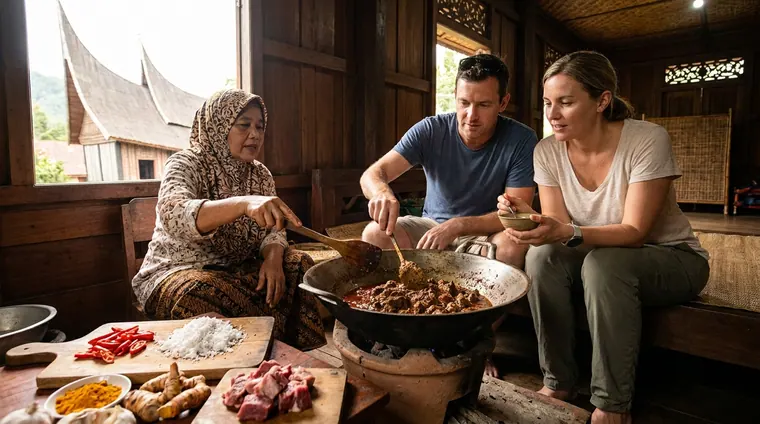
Rendang is the dish most visitors already know. In Padang, it is richer, darker, and often more complex than versions you may have tried elsewhere. The slow cooking, coconut milk, spices, and patience behind it make rendang more than a tourist dish. It is part of Minangkabau culinary identity.
Nasi Padang
Nasi Padang is a meal style as much as a dish. In many restaurants, several plates are placed on your table. You eat what you want, and the bill is calculated based on what you actually touched or consumed.
This can surprise first-time visitors. Do not worry if many plates arrive at once. You are not expected to finish everything.
Soto Padang
Soto Padang is a spiced beef soup, often served with crispy beef pieces, noodles, and potatoes. It is lighter than a full nasi Padang spread, so it can work well for lunch.
Sate Padang
Sate Padang is different from peanut-based satay found elsewhere in Indonesia. It uses a thick, spiced sauce, often yellowish or brownish, with a strong local flavour. It is a good evening snack or casual meal.
Seafood and coastal meals
Padang’s coast means seafood is easy to find, especially in evening areas near the sea. Grilled fish, prawns, and shellfish are common options. Ask your guide or driver for places that are clean, busy, and reliable.
Cafés and coffee
Padang also has modern cafés and coffee shops, useful when you want a quieter break between sightseeing. They are not the main reason to visit, but they can make a short city stay more comfortable.
How Rumah Makan Padang works
A classic rumah makan Padang can feel confusing the first time.
Usually, staff bring a stack or spread of dishes to your table. You choose what to eat. At the end, the staff checks what you consumed and calculates the bill.
A few simple tips help:
- Ask about spice level if you are sensitive to chili
- Do not feel pressured to eat every plate
- Use your right hand if eating traditionally
- Ask before taking close-up photos of staff or other guests
- Check whether drinks and rice refills are included or charged separately
This style of eating is part of the experience. It is casual, generous, and very local.
Practical tips for staying in Padang
Getting from the airport to the city
Minangkabau International Airport is outside the central city area. Most travelers use taxis, ride-hailing apps, hotel transfers, or a pre-booked private driver.
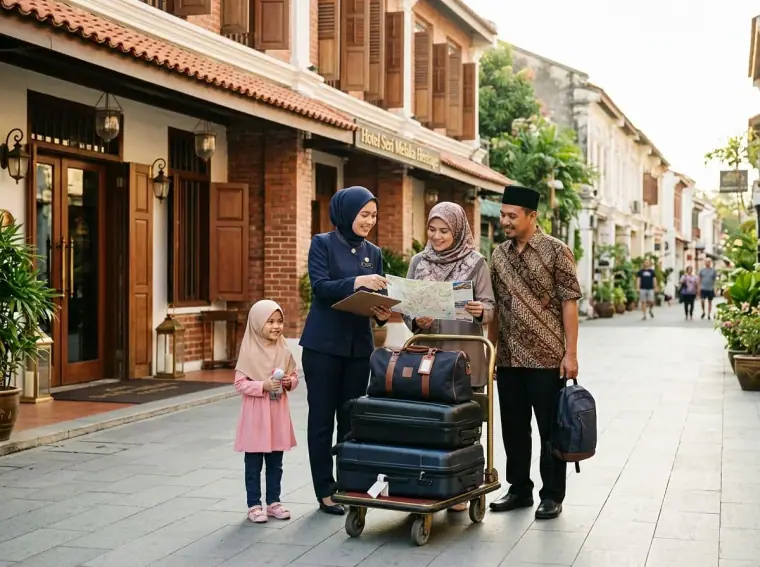
If you are starting a West Sumatra private tour, it is often easiest to arrange airport pickup directly with your operator. This avoids confusion on arrival and allows you to continue smoothly to your hotel, Bukittinggi, or another destination.
Getting from Padang to Bukittinggi
Padang is the usual starting point for highland routes. Many travelers continue by private car to Bukittinggi, then visit Sianok Canyon, Harau Valley, Lake Maninjau, and villages around the Minangkabau plateau.
The drive can be scenic, but it is not something to treat as a quick transfer. Weather, traffic, and stops can change the timing.
Getting from Padang to Mentawai
Padang is the staging point for many Mentawai trips. If Mentawai is part of your plan, stay at least one night in Padang before departure when possible. You may also need a buffer night after returning from the islands before onward flights.
Boat schedules and sea conditions can affect timing, so do not plan tight same-day connections.
How many nights to stay in Padang
For most first-time visitors, one or two nights is enough.
One night works if Padang is mainly an arrival or departure base. You can rest, eat well, see the coast, and continue to the highlands.
Two nights are better if you want a fuller city experience: old town, Chinatown, museum, mosque, coast, night market, and more food.
Longer stays can work for food-focused travelers, remote workers, or people using Padang as a base around Mentawai schedules.
Where to stay in Padang
Near Taplau or Padang Beach
Stay near Taplau if you want sunset walks, seaside food, easy evening movement, and a coastal atmosphere. This area works well for short stays because you can enjoy the city without planning too much transport after dinner.
Near old town and Chinatown
Stay near the old town and Chinatown if you like heritage streets, markets, river views, and photography. This is a better fit if your main interest is culture and history rather than seaside evenings.
City hotels and practical locations
Some travelers prefer a practical city hotel with easy access to airport roads or the highland route. This can be sensible if you arrive late, depart early, or care more about comfort than atmosphere.
The best area depends on whether you value coast, heritage, or logistics.
Safety and comfort
Padang is a normal Indonesian city, not a controlled resort area. Most visitors have a straightforward stay, but normal city awareness matters.
Stay in busier, well-lit areas at night. Keep valuables secure in crowded places and beach areas. Use a reliable taxi, ride-hailing app, hotel transport, or private driver for late evening movement if you are not familiar with the area.
For comfort, plan walks in the morning or late afternoon. Carry water, use sun protection, and expect humidity. Around beaches, be careful with swimming conditions and follow local advice.
Muslim-friendly context
Padang is strongly connected to Minangkabau Muslim culture. Halal food is widely available and is usually the norm in local restaurants and warungs.
Mosques and prayer rooms are easy to find in many parts of the city. The Grand Mosque of West Sumatra is also a major landmark.
For Muslim travelers, Padang is generally comfortable and easy to navigate. For non-Muslim travelers, the key is simple: dress respectfully, behave modestly around religious areas, and remember that many public spaces are family-oriented.
How Padang fits into a West Sumatra trip
Padang usually plays one of three roles in a wider West Sumatra itinerary.
Arrival base
Many travelers land in Padang, stay one night, then continue to Bukittinggi, Harau Valley, Lake Maninjau, or other highland areas.
Departure base
A final night in Padang after returning from the highlands makes departure easier. It reduces the risk of driving from Bukittinggi to the airport on the same morning as your flight.
Mentawai staging point
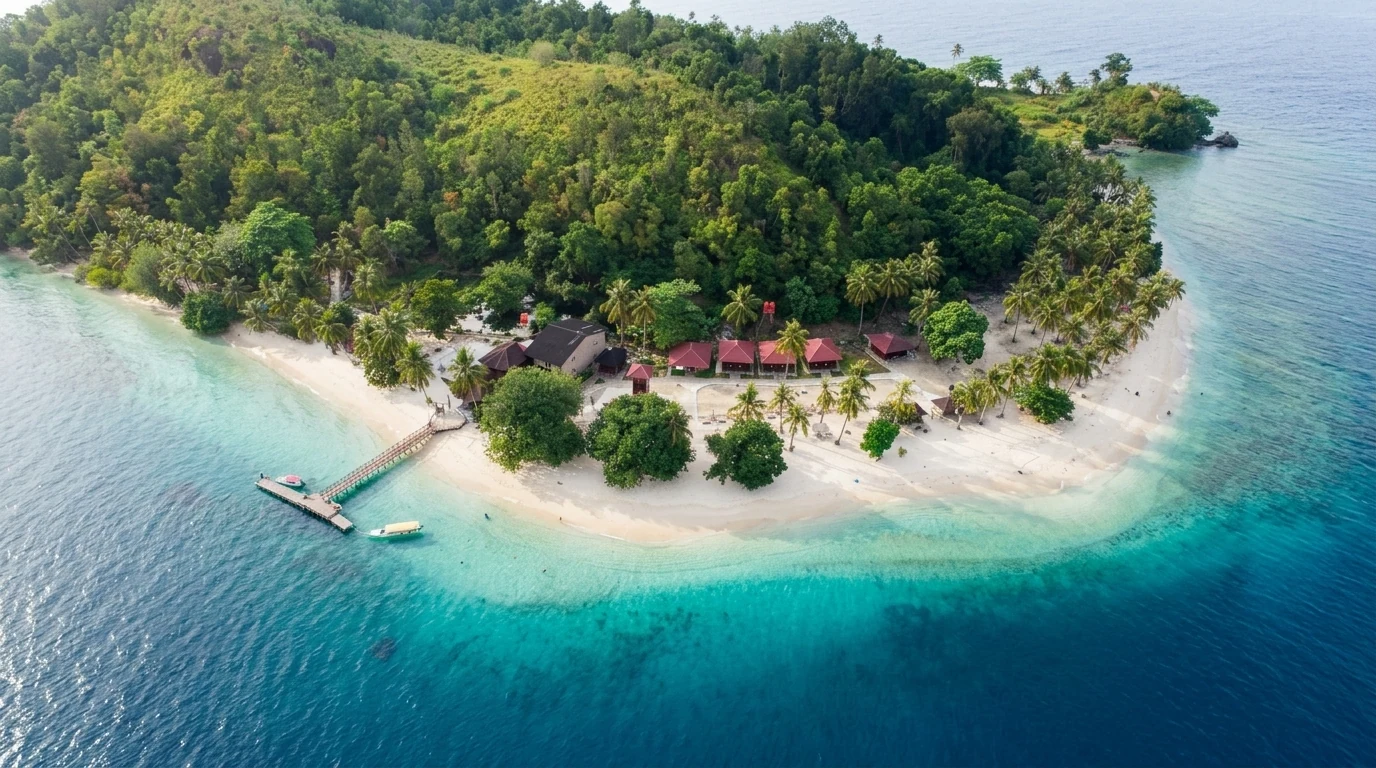
For Mentawai surf or island trips, Padang is the practical gateway. Your stay should be shaped around ferry or speedboat timing, luggage, board transport, and buffer nights.
Within Calvoya’s West Sumatra content, this Padang guide should connect naturally to 5-day and 7-day itinerary articles, Bukittinggi guides, Harau Valley content, Lake Maninjau routes, Mentawai logistics, and food-focused articles.
Sample 24-hour Padang plan
If you have one full day and one night, keep the plan realistic.
Start the morning with the old town and Chinatown area. Add Adityawarman Museum if it is open and fits your timing. Take a break during the hottest part of the day.
In the late afternoon, go to Taplau or Air Manis for seaside views. End the evening with a proper nasi Padang meal or seafood dinner.
If you still have energy, visit a local night-food area. If not, keep it simple and rest before the highland route or your departure.
Sample 48-hour Padang plan
With two nights, Padang becomes more rewarding.
On the first evening, take a simple Taplau walk and have dinner nearby.
On the full day, combine old town, Chinatown, Adityawarman Museum, the Grand Mosque, and one coastal stop. Add café breaks so the day does not feel too hot or heavy.
On the final morning, visit a market for snacks, spices, coffee beans, or small souvenirs before leaving for the airport, Bukittinggi, or Mentawai.
What to avoid
Try to avoid these common mistakes:
- Treating Padang only as an airport city
- Scheduling too many stops during midday heat
- Expecting resort-style beaches in the city
- Walking alone very late in quiet areas
- Leaving no buffer before Mentawai departures
- Driving from Bukittinggi to the airport on the same morning as an important flight
- Eating only at hotel restaurants and missing local food
- Visiting the old town without context and expecting it to feel polished
- Packing a one-night stay with too many attractions
Padang works better when you accept it as a real city: coastal, practical, imperfect, local, and full of food.
Suggested private Padang city experience
A private Padang city experience can be built around this structure:
Half-day Padang city tour
Old town, Chinatown, Siti Nurbaya Bridge, Adityawarman Museum, Grand Mosque, and a local food stop.
Padang food and coast evening
Taplau sunset walk, nasi Padang dinner, sate Padang or seafood stop, and an optional night-market visit.
Padang before Mentawai
Airport pickup, hotel check-in, ferry or speedboat preparation, surfboard or luggage support, early transfer to the harbour, and a buffer plan in case schedules shift.
Padang before the highlands
Airport pickup, simple city orientation, overnight in Padang, then private transfer to Bukittinggi the next morning.
How Calvoya can help
Calvoya can help turn Padang from a rushed transit stop into a useful and enjoyable start or finish to your West Sumatra journey.
We can help you:
- Arrange airport pickup and private transfers
- Add a short Padang city tour before or after the highlands
- Plan food stops, seafood dinners, and nasi Padang experiences
- Fit Padang around Mentawai ferry or speedboat schedules
- Choose whether to stay near Taplau, old town, or a practical city area
- Connect Padang with Bukittinggi, Harau Valley, Lake Maninjau, or Mandeh
- Plan Muslim-friendly stops, prayer breaks, and halal meals
- Keep the schedule realistic around heat, rain, traffic, and flight times
If you are planning a West Sumatra private journey, share your arrival date, departure date, group size, and travel style. We can help shape Padang into the right opening or closing chapter of your trip.
FAQ
Is Padang worth visiting if I am going to Bukittinggi?
Yes, especially if you enjoy food, coast, local city life, and cultural context. One night is enough for a quick stop, while two nights give you a better feel for the city.
How many nights should I spend in Padang?
Most first-time visitors need one or two nights. One night works for arrival or departure. Two nights are better if you want old town, coastal time, food, and a slower city experience.
Is Padang safe for first-time visitors?
Padang is generally straightforward for travelers who use normal city caution. Stay in busier areas at night, keep valuables secure, and use reliable transport after dark.
What is the best area to stay in Padang?
Stay near Taplau or Padang Beach if you want sunset walks and seaside food. Stay near the old town or Chinatown if you prefer heritage streets and markets. Choose a practical city hotel if airport or highland transfer access matters most.
What food should I try in Padang?
Try rendang, nasi Padang, soto Padang, sate Padang, gulai, seafood, and local snacks. If you only have time for one proper meal, choose a classic rumah makan Padang.
How does a rumah makan Padang work?
Several dishes may be placed on your table. You eat what you want, and the bill is calculated based on what you consume. You are not expected to finish every plate.
Can I use Padang as a base for Mentawai?
Yes. Padang is the main staging point for many Mentawai trips. Plan at least one night before departure and, when possible, a buffer night after returning from the islands.
Can I visit Padang in one afternoon?
Yes, but keep it focused. Choose one coastal stop, one food experience, and maybe one heritage or mosque stop. A full day gives you a more relaxed city experience.
Is Padang good for Muslim travelers?
Yes. Halal food is widely available, mosques are easy to find, and the city is strongly connected to Minangkabau Muslim culture.
Can Calvoya arrange a Padang city tour?
Yes. Calvoya can arrange a short Padang city experience before or after your highland route, or help fit Padang around Mentawai travel logistics.