How to Plan a West Sumatra Itinerary Without Rushing It
Many West Sumatra trips become tiring for a simple reason: the itinerary is built from place names, not from real travel days.
On a map, the route can look easy. You arrive in Padang, continue to Bukittinggi, add Harau Valley, perhaps include Lake Maninjau, then maybe think about Mentawai or a wider Sumatra overland route. It reads neatly.
The actual trip asks for more judgment.
Roads can feel slower than expected. Weather can change the shape of a day. A lunch stop may take longer because the food is worth slowing down for. A family may need an easier morning. A couple arriving after long flights may not want to begin the highland drive straight away.
West Sumatra is not hard to enjoy, but it feels better when the days are not packed too tightly.
This guide is written for travelers planning a private trip, especially those visiting Sumatra for the first time. It will help you think through the route, the number of days, what to include, what to leave out, and where private planning can make the journey feel calmer.
Why West Sumatra Needs Careful Pacing
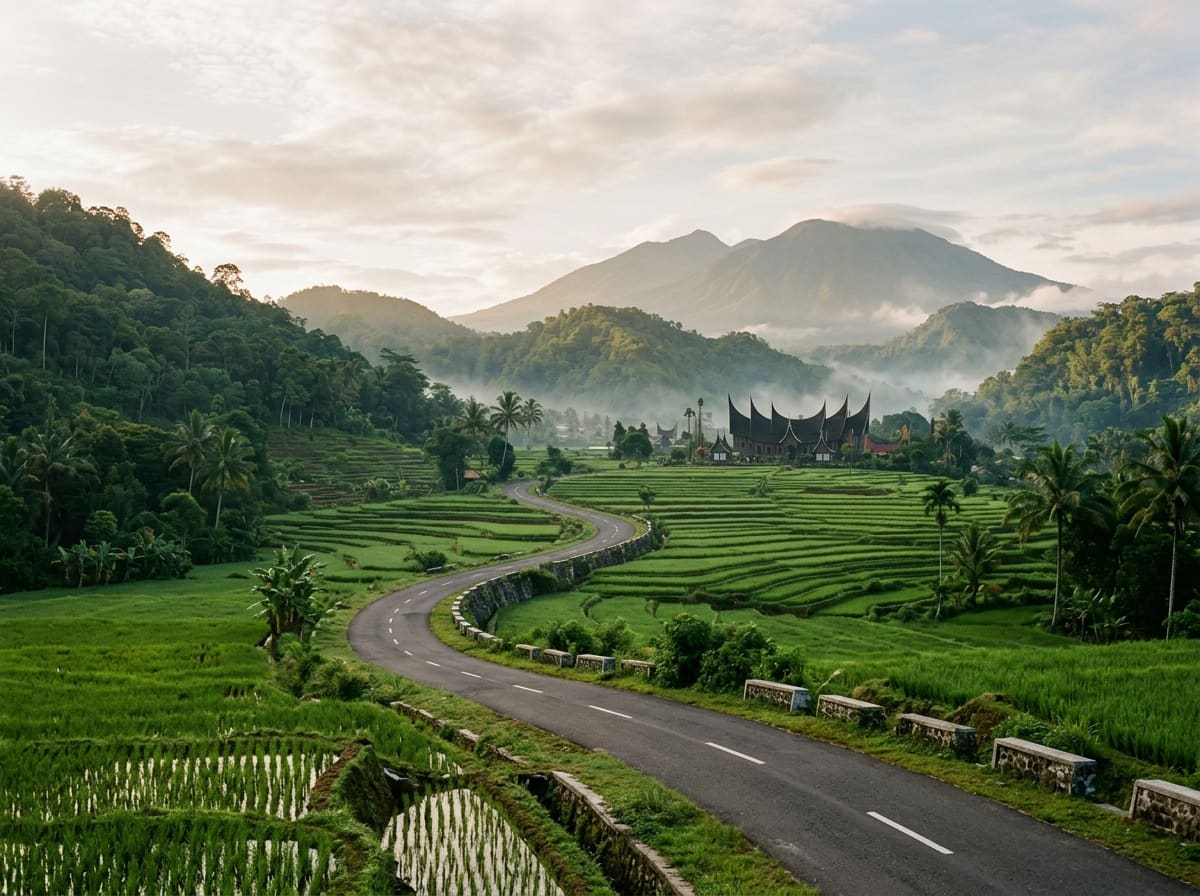
West Sumatra is a road-based destination. The best parts are not always found at a single attraction gate. Often, they happen between the main stops: the shift from Padang’s coastal air to the cooler highlands, the first sight of Minangkabau rooflines, a curve in the road opening toward rice fields, a small meal that becomes the memory of the day.
Bukittinggi usually becomes the main highland anchor for a first West Sumatra itinerary. Indonesia Travel places Ngarai Sianok on the outskirts of Bukittinggi in the Minangkabau highlands, and also notes that Padang and Bukittinggi are about 90 km apart. That distance may look simple, but the way the day feels depends on traffic, weather, stops, arrival time, and the people traveling. Indonesia Travel
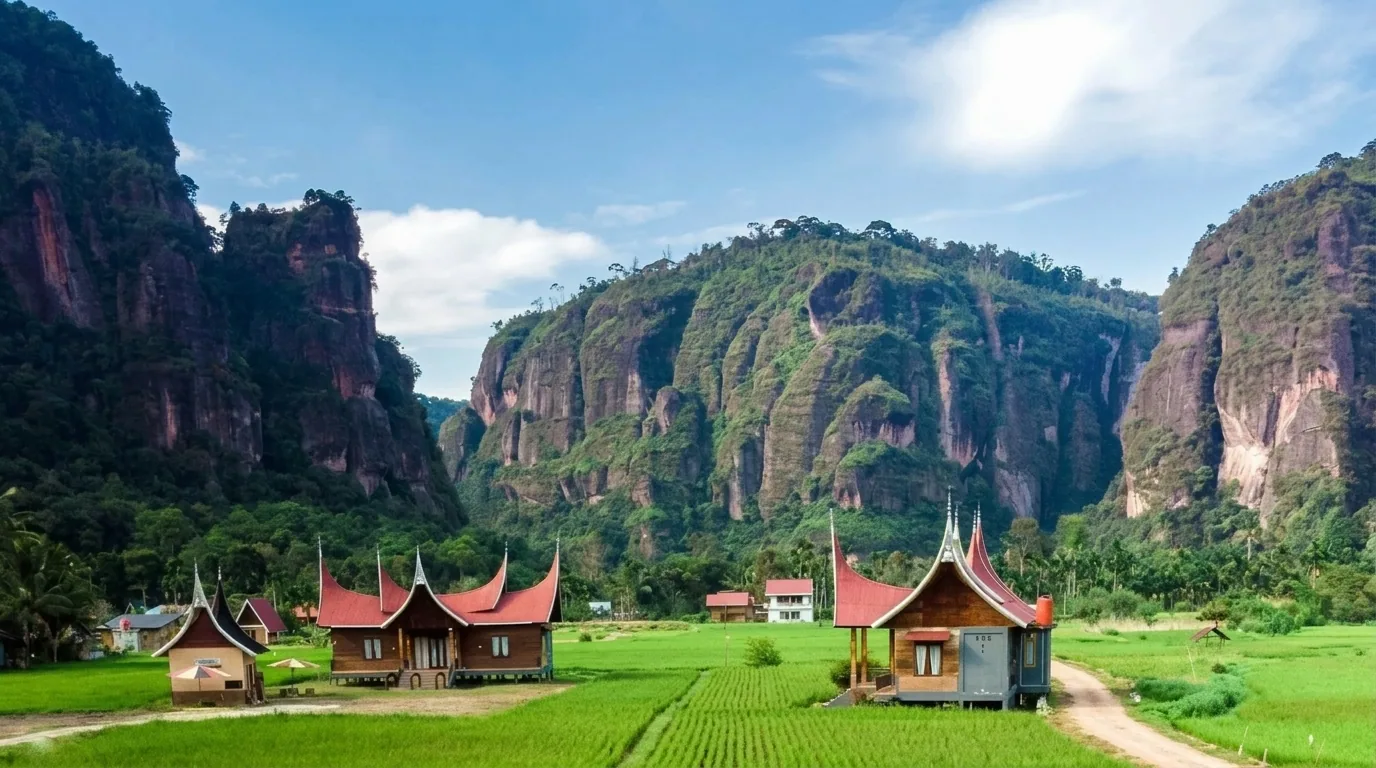
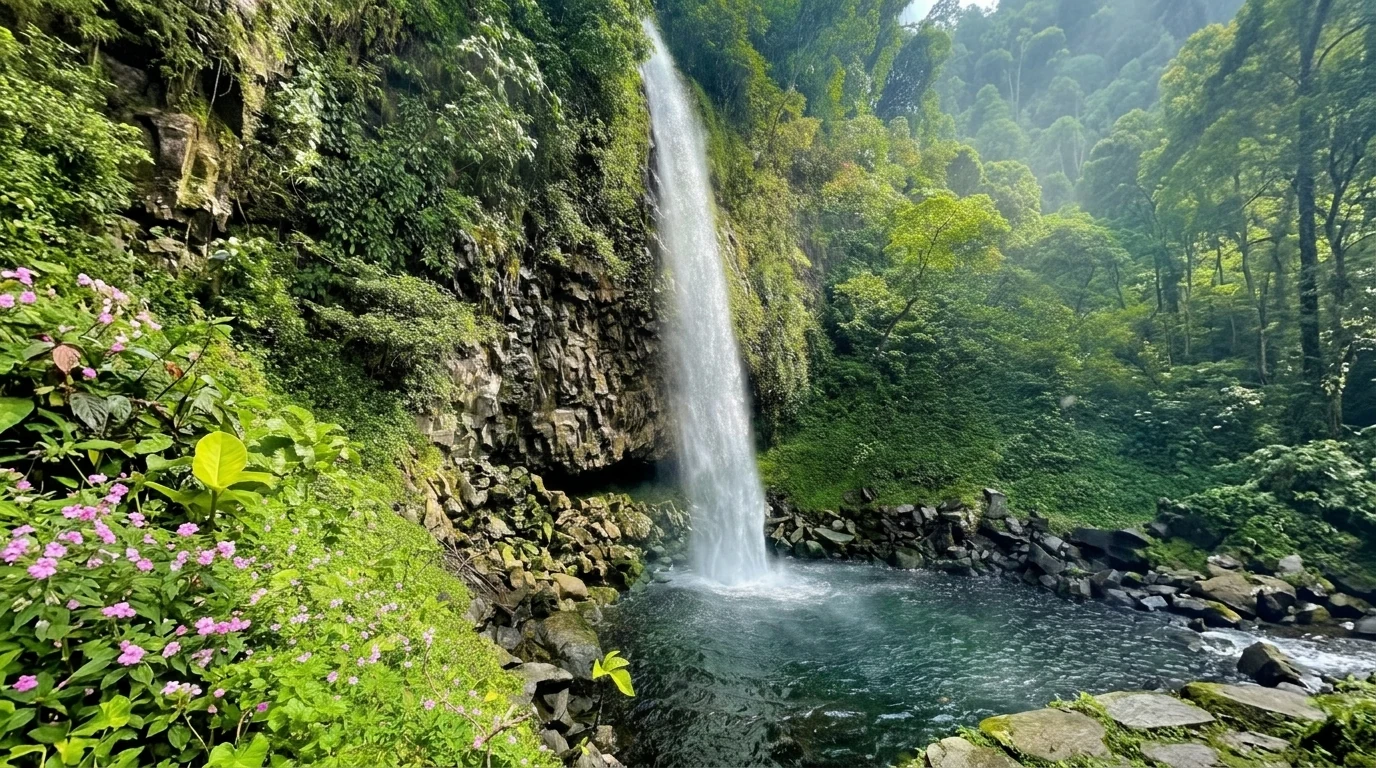
Harau Valley adds another layer. The tourism office of Lima Puluh Kota places Lembah Harau in Kecamatan Harau and describes the area with steep granite cliffs, waterfalls, homestays, trekking, and climbing. Lima Puluh Kota Tourism Office It can be a beautiful part of the route, but it should not be treated as a rushed side note if your group needs a softer day.
A better West Sumatra itinerary starts with a practical question:
How much can you enjoy in one day without turning the trip into work?
The Core Route: Padang, Bukittinggi, and Harau Valley
For most foreign travelers, Padang is the natural entry point into West Sumatra. It is more than a place to land and leave. Used well, Padang gives the trip a softer beginning.
A first night in Padang can make sense after a long flight. You can recover, try local food, adjust to the climate, and begin the highland route with more patience the next morning. Some travelers prefer to go directly toward Bukittinggi on arrival day, which can also work. The right choice depends on landing time, energy, luggage, children, and how much road time you want on day one.
From Padang, the route usually moves inland toward Bukittinggi. This is the main spine of many West Sumatra trips. Bukittinggi works well as a base because it gives access to canyon views, cultural stops, traditional markets, village roads, and nearby countryside without forcing a hotel change every night. Indonesia Travel describes Pasar Atas and Pasar Bawah as traditional markets in the heart of Bukittinggi, near Jam Gadang, with West Sumatran products, food, fabrics, and handicrafts. Indonesia Travel
Harau Valley can then be added from the highland side. For some travelers, it works as a day route. For others, an overnight stay may feel better, especially for photography, families, or anyone who dislikes long return days.
The hard part is deciding what to leave out. A trip can include Padang, Bukittinggi, Harau Valley, Lake Maninjau, countryside routes, and Mentawai. It just cannot include all of them in a short trip without losing comfort.
How Many Days Do You Need for West Sumatra?
There is no single correct length. The best answer depends on travel style. A short trip can work, but it needs discipline. A longer trip gives you room to enjoy the region without feeling as if you are always leaving too soon.
4-5 Days: A Short Introduction
A 4-5 day West Sumatra itinerary is possible if you keep it focused.
This length is best for travelers who want a quick introduction: Padang arrival, Bukittinggi as the main base, one scenic or cultural route, then return to Padang. It is not the right length for travelers who want to add too many directions.
With 4-5 days, avoid too many one-night stays. Choose one main base and accept that some places belong to a future trip. Mentawai should usually be left out of this plan.
6-7 Days: The Better First Trip
For many first-time travelers, 6-7 days feels more balanced.
This gives you room for Padang, Bukittinggi, nearby cultural routes, Harau Valley or another countryside direction, and one lighter day that can absorb weather, rest, or a slower meal.
A 6-7 day route suits couples, small families, and travelers who want a private West Sumatra tour without being moved around every morning. It gives the core route enough time to feel natural.
It still does not mean you should include every major name in the province. The trip works because it has focus.
8-10 Days: A Softer Route with More Context
With 8-10 days, the journey becomes more comfortable.
You can spend more time around Bukittinggi, add Harau Valley without rushing, include Lake Maninjau or another countryside route, and keep a day open for weather or rest. This is often better for families, older travelers, photographers, and people who prefer slow mornings.
Those extra days are often what keep the trip from feeling like work.
10+ Days: Mentawai or a Wider Sumatra Link
With more than 10 days, you can think beyond the core mainland route.
Mentawai can be added, but it needs its own planning. Indonesia Travel describes the islands as remote and says ferry times should be checked with operators because timetables can change depending on weather conditions. Indonesia Travel That matters for flight planning. A Mentawai extension should not be squeezed between tight arrival and departure dates.
A wider Sumatra overland route is another option, especially for travelers connecting West Sumatra with North Sumatra. It can be rewarding, but it asks for patience and realistic transfer days.
A Route That Usually Feels Better
This is not a fixed itinerary. Think of it as a calm first-trip structure that can be adjusted around your arrival time, hotel preference, travel style, and comfort level.
Day 1: Arrive in Padang
Keep the first day light.
If you land early, you may have time for food, a short city stop, or a coastal pause. If you arrive late, rest. A tired arrival day should not become a full sightseeing day just because the itinerary has space on paper.
Padang is often where the trip should slow down before it begins properly.
Day 2: Padang to Bukittinggi
Treat this as a real travel day, not empty transfer time.
The route toward Bukittinggi can include views, food, and selected stops, depending on weather and traffic. The aim is not to stop everywhere. It is to reach the highlands without making the day feel heavy.
Day 3: Bukittinggi and Nearby Cultural Context
Use this day to settle into the highland rhythm.
Bukittinggi can work well for Ngarai Sianok, local streets, markets, Minangkabau architecture, and nearby cultural context. The day should not feel like a race from one photo stop to another.
A good Bukittinggi day helps travelers understand why the highlands matter in West Sumatra.
Day 4: Countryside or Highland Scenic Route
This can be a scenic day, a food day, a cultural day, or a slower drive through villages and highland roads.
This may point toward Lake Maninjau, a village route, or another scenic direction chosen around weather and energy. The value is not always one famous viewpoint. It may be the drive, the change in air, the houses along the road, the meal stop, and the way village life sits close to the hills.
This is where a private route can feel much better than a rigid plan.
Day 5: Harau Valley or Payakumbuh Area
Harau Valley brings a stronger nature focus.
A day route can work if you prefer to keep Bukittinggi as your base. An overnight stay may feel better if you want more time for photography, a softer family pace, or less pressure to return the same day.
Neither choice is automatically better. The right choice depends on how you want the day to feel.
Day 6: Open Highland Day
Keep this day flexible around Bukittinggi, Harau, or the wider highland area, depending on where you slept the night before.
This day can absorb rain, tiredness, a missed stop, a late lunch, or a place you suddenly want to enjoy longer. It may look quiet in the itinerary. In real travel, it may be the day that keeps everything comfortable.
Day 7: Return to Padang or Extend
End with care.
The last day should not be the day you worry about traffic, luggage, and a flight you cannot miss. Give the return to Padang enough room, especially if you are connecting to another island, another Indonesian city, or an international flight.
From here, you can end the trip, continue to Mentawai, or link West Sumatra with a wider Indonesia journey.
How to Decide What to Include
Start with your number of days. Then choose the trip’s main feeling.
If you have 4-5 days, keep the route tight: Padang, Bukittinggi, and one scenic or cultural direction.
If you have 6-7 days, add Harau Valley or a countryside route with more comfort.
If you have 8-10 days, you can give the highlands more time and add a softer buffer day.
If you have more than 10 days, Mentawai or a wider Sumatra link becomes more realistic.
If you are unsure, protect Bukittinggi first. It is usually the most practical highland base for a first route. Then choose one direction to deepen: Harau for valley scenery, Lake Maninjau for a slower countryside day, or Mentawai only when you have enough buffer.
The mistake is starting with every place you have heard of. Start instead with your real limits: arrival time, road tolerance, hotel style, children, weather, and how much quiet time you need between active days.
A couple on their first Sumatra trip, a family with young children, and a photographer chasing morning light may all visit the same places. They should not follow the same day-by-day plan.
Common Mistakes When Planning a West Sumatra Itinerary
Treating Transfer Days as Empty Space
A transfer day still uses energy. Even with a private vehicle, road time affects mood, appetite, and patience. Plan those days as part of the journey.
Adding Mentawai Too Casually
Mentawai is possible, but it should be planned with buffer time. Ferry schedules, sea conditions, and onward flights need careful checking close to travel dates.
Booking Too Many One-Night Stays
One-night stays can look productive on a spreadsheet. In practice, they often make the trip feel restless. West Sumatra usually feels better with a stable base, especially around Bukittinggi.
Chasing Too Many Scenic Stops
Some days are better with fewer stops. A private route should leave room for choice. If the weather is good, stay longer. If the group is tired, simplify the day.
Planning for the Map, Not the People
Maps do not show road fatigue. They do not show children getting hungry, rain arriving in the afternoon, or travelers needing a slower morning after two full days.
A good itinerary should fit the people traveling, not just the geography.
Who This Route Fits
This kind of West Sumatra itinerary suits travelers who enjoy scenery, culture, food, and road-based exploration.
It works well for first-time Sumatra visitors who want Indonesia beyond Bali and Java. It also suits couples who prefer private travel, families who need a softer pace, older travelers who dislike too many hotel moves, and photographers who want timing to remain flexible.
West Sumatra is deeply rewarding, but it asks for a certain kind of traveler. If you want a resort-only holiday with minimal road time, this may not be the right route. If you want nightlife, large shopping districts, or a polished beach escape, another part of Indonesia may fit better.
If your main goal is a Mentawai surf trip, you may prefer to keep the mainland section short and focus on island logistics.
Good planning includes knowing what not to force.
How Private Planning Changes the Experience
A private West Sumatra tour should not feel like a fixed package with a different car.
The real value is route judgment.
For Calvoya, the planning is often in the small decisions: whether to sleep in Padang first, when to leave for the highlands, which stops to skip, and how much road time still feels enjoyable for your group.
It also helps with quieter details: meal timing, hotel base, driver rhythm, photography stops, road fatigue, and family comfort.
The same route can feel very different when the timing, stops, and hotel base are chosen carefully.
A Gentler Way to Begin
Begin with the number of days, not the list of places.
Then ask what kind of rhythm you want. Do you prefer one strong base or several moves? Are you comfortable with long drives? Do you want culture, nature, food, photography, family comfort, or a quiet mix of all of them?
For most first-time travelers, the core route is simple: Padang, Bukittinggi, nearby cultural routes, and Harau Valley or another countryside direction. The harder choice is how much to leave out.
West Sumatra feels better when the itinerary leaves room for road time, weather, meals, and the small pauses that make travel feel human.
Calvoya can help turn these route ideas into a private journey shaped around your timing, comfort level, and travel style.
FAQ
How many days do you need for a West Sumatra itinerary?
For most first-time travelers, 6-7 days usually feels better than a short 3-4 day plan. It gives enough room for Padang, Bukittinggi, nearby cultural routes, and Harau Valley without making each day feel crowded.
Is Bukittinggi a good base for West Sumatra?
Yes. Bukittinggi often works well as a highland base because it gives access to Ngarai Sianok, cultural stops, countryside routes, and onward travel toward Harau Valley.
Can I visit Harau Valley from Bukittinggi?
Often, yes. A day route can work if you want to keep Bukittinggi as your base. An overnight stay may feel better for photography, families, or travelers who want a softer pace.
Can Mentawai be added to a West Sumatra itinerary?
Yes, but Mentawai needs buffer time. Ferry timing and sea conditions should be checked again near the travel date, and flights should not be planned too tightly around the island transfer.
Is West Sumatra good for families?
Yes, if the route is planned gently. Families often feel better with fewer hotel changes, private transport, flexible meal stops, and days that are not packed from morning to evening.
Sources Checked
- Indonesia Travel, Ngarai Sianok and Bukittinggi destination page. Used for Bukittinggi, Ngarai Sianok, Minangkabau highlands, and Padang-Bukittinggi distance context. Indonesia Travel
- Dinas Pariwisata Pemuda dan Olahraga Kabupaten Lima Puluh Kota, Lembah Harau page. Used for Harau location, cliffs, waterfalls, homestays, trekking, and climbing context. Ticket and contact details were not used because they may change. Lima Puluh Kota Tourism Office
- Indonesia Travel, Padang-Mentawai Islands page. Used only for Mentawai remoteness, ferry access, and weather-related timetable caution. Indonesia Travel
- Indonesia Travel, Pasar Atas and Pasar Bawah Bukittinggi page. Used only to support the mention of traditional markets in Bukittinggi. Indonesia Travel