Minangkabau Culture Guide: Rumah Gadang, Food, Adat, and Travel Etiquette
Minangkabau culture is one of the main reasons West Sumatra feels distinct to many first-time travelers. You notice it in the food, the shape of traditional houses, village roads, markets, mosques, family spaces, and the way daily life is shaped by adat and Islam in many places.
For travelers, this matters because West Sumatra becomes easier to read when you understand the context behind what you see. A Rumah Gadang may look beautiful from the road, but it is also tied to family, adat, and identity. Padang food gives travelers one of the clearest ways to understand the region. Even a village road deserves care, because it is part of someone’s daily life.
This Minangkabau culture guide is written for travelers who want to visit West Sumatra with better context, better manners, and more patience.
Why Minangkabau culture matters in West Sumatra
West Sumatra is often introduced through scenery: highlands, valleys, lakes, rice fields, and coastal roads. Those places are worth seeing, but the region feels richer when you also pay attention to Minangkabau culture.
You will see it in the curved roofs of Rumah Gadang, in the way dishes are arranged at the table, in village mosques, in traditional markets, in family compounds, and in the careful manners people often use around homes and religious spaces.
A traveler can visit West Sumatra only for views and still have a good trip. But the journey feels different when culture is not treated as background. A meal feels richer when you understand that it is tied to markets, family tables, hospitality, and local routines. A house feels different when you realize it is connected to family and adat. A market feels different when you slow down enough to notice how people actually move through it.
For a first visit, the goal is simple: understand enough to behave well, ask better questions, and avoid treating cultural places as props.
What travelers should understand about Minangkabau culture
Minangkabau culture is strongly associated with West Sumatra, though the region should not be reduced to one simple label. Travelers will usually meet Minangkabau identity through food, traditional houses, family customs, Muslim daily life, and village routines.
One useful word to know is adat. In a travel context, adat can be understood as inherited customs, manners, social rules, and ways of organizing community life. It can shape family spaces, ceremonies, respect, land, gatherings, and public behavior.
Some parts of culture are easy to notice but harder to interpret. A traveler might see who receives guests, where people sit, how a house is used, or how people speak in a family setting. Those details may look ordinary, but they can carry meaning.
You do not need to master Minangkabau culture before visiting. You only need enough humility to realize that what looks simple from outside may have more layers than it first appears.
How to visit Rumah Gadang respectfully
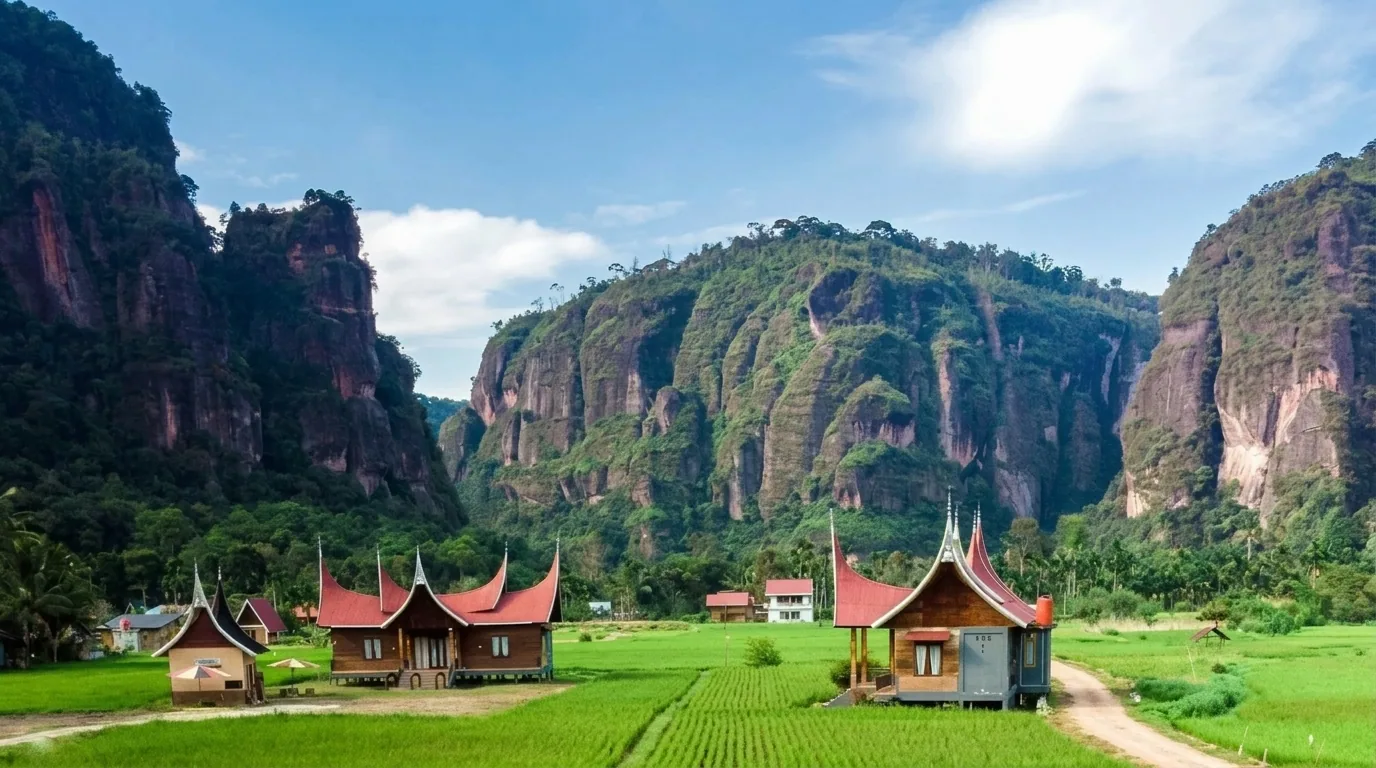
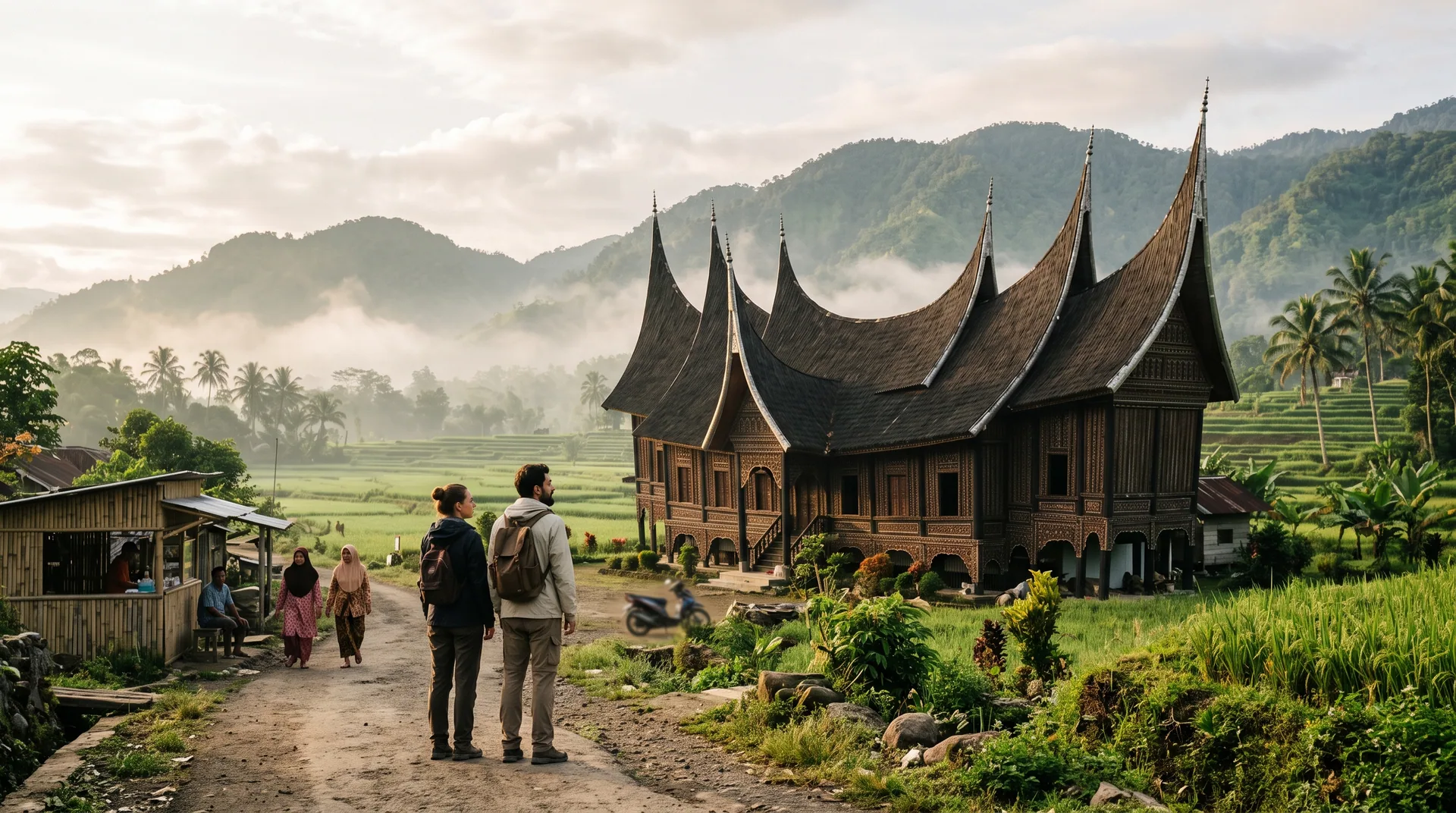
Rumah Gadang is one of the most recognizable symbols of Minangkabau culture. Its sweeping roofline is easy to remember, and it often becomes one of the first images travelers associate with West Sumatra.
A Rumah Gadang deserves more care than a quick photo stop.
A Rumah Gadang can be connected to family, adat, memory, and identity. Some may be prepared for cultural visits. Some are part of family areas. Some may have rules about access, rooms, or photography.
Before entering, ask permission. Before taking close photos of people, private spaces, or family areas, ask first. If a local host or guide explains where you may stand, which rooms are open, or what should not be photographed, follow that guidance carefully.
The best Rumah Gadang visit is not the one with the most photos. It is the one where you leave with a better sense of why the building matters to the people who maintain it, inherit it, or live around it.
Matrilineal heritage, explained carefully
Minangkabau culture is widely known for its matrilineal kinship system. In broad terms, family lineage and certain forms of customary inheritance are often connected to the female line.
This is one of the things many travelers find interesting, but it is also easy to oversimplify.
Matrilineal culture does not mean women control everything, and it does not mean men have no role. Family life, adat, religion, education, migration, and work can interact in different ways from one family to another.
A safer way to understand it is this: Minangkabau society has a strong matrilineal heritage, and that heritage gives women and maternal family lines an important place in adat. The details can vary between families and places, so it is better to ask carefully than assume one simple rule explains everything.
A good local guide can help here. Without context, travelers may hear one fact, repeat it too confidently, and miss the nuance.
Adat and Islam in daily life
Islam is very visible in West Sumatra. Mosques, prayer times, halal food, modest clothing, and religious manners are part of the daily rhythm in many towns and villages.
Adat and Islam often appear side by side in social norms, family spaces, food culture, and public etiquette. The relationship can be complex, so a travel guide should not flatten it into one simple explanation.
For visitors, the practical point is clear. Dress modestly. Speak respectfully. Ask before entering private or religious spaces. Be careful when photographing people, homes, or ceremonies. Notice that culture and religion both shape how people host guests, eat, gather, and protect family spaces.
Respecting that will make your trip smoother and more meaningful.
Food as a cultural experience
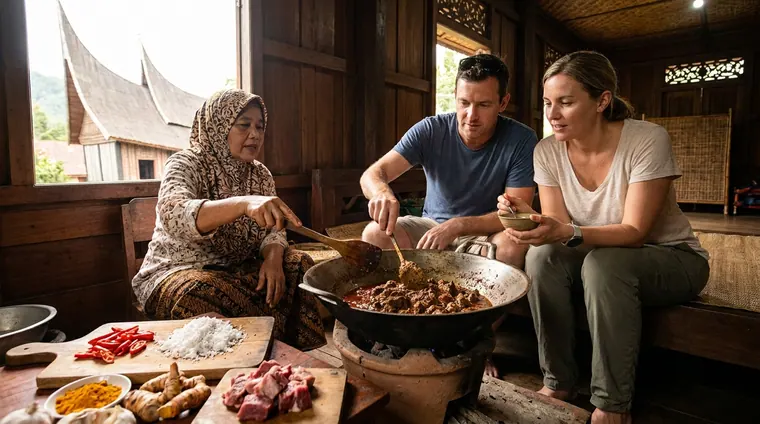
Padang food is one of the easiest ways to enter Minangkabau culture. Many travelers already know rendang or nasi Padang, but eating in West Sumatra gives the food a stronger sense of place.
The point is not to collect famous dishes. It is to notice how food is served, shared, and connected to local hospitality. A meal can show you how people gather, how many small choices appear on the table, how markets feed daily life, and how spices, rice, sambal, and side dishes become part of local identity.
Padang is a natural starting point for food and cultural context. It works well as an arrival city, but it is also worth a short stay if you want to understand West Sumatra through its meals and local rhythm. For practical movement from Padang into the highlands, read the Padang to Bukittinggi route guide.
Markets, villages, and everyday culture
Some of the best cultural moments in West Sumatra happen in ordinary places.
A traditional market can show how people buy food, greet sellers, move through the morning, and choose ingredients. A village road can show houses, small mosques, fields, children going home from school, and families moving through the day. A food stall can show more about local life than a staged performance.
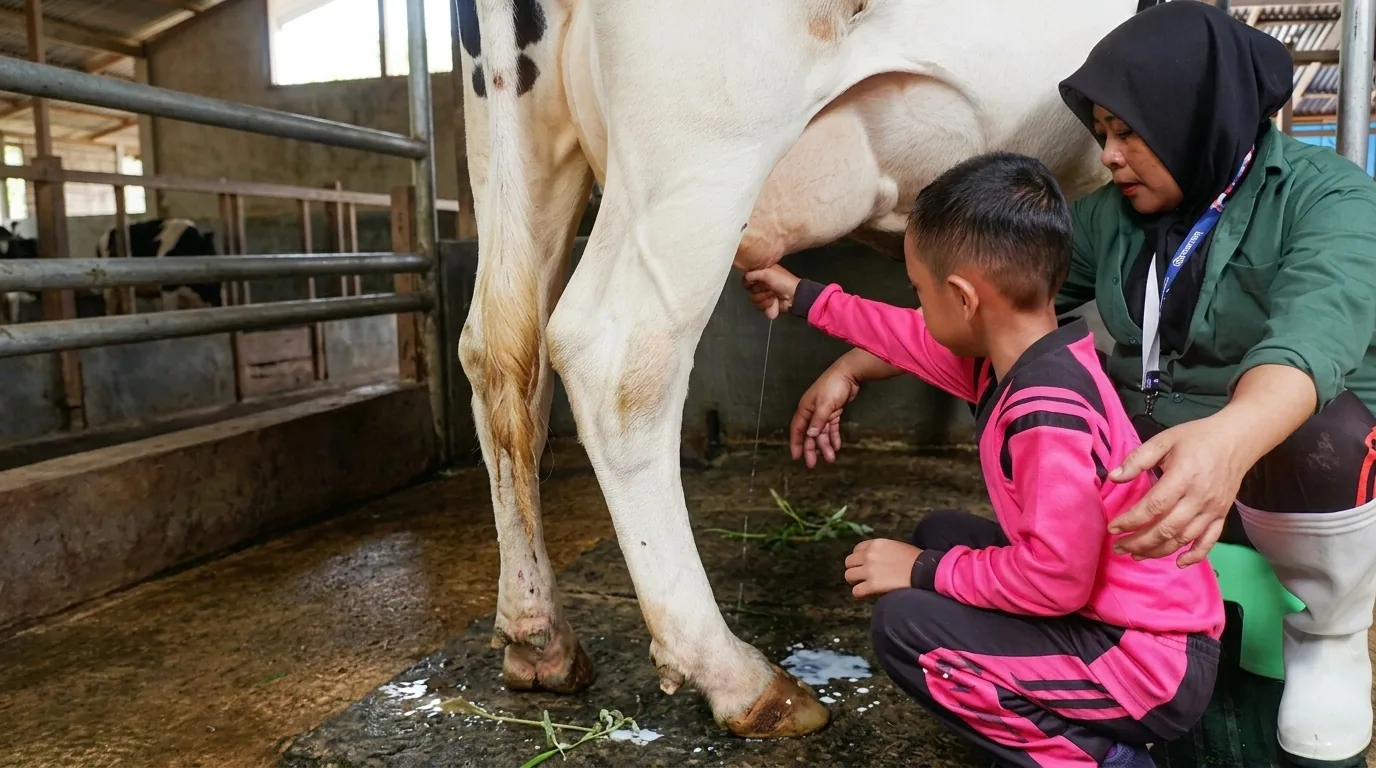
But these places are not displays. Markets are working spaces. Villages are family environments. Homes are private. Farms are livelihoods.
Visit slowly. Buy something when appropriate. Ask before photographing people. Do not block pathways for pictures. Do not treat daily routines as entertainment. Small manners change the tone of the whole visit.
Where to experience Minangkabau culture
Padang
Padang is the gateway for many West Sumatra trips and a good first place to understand Minangkabau food culture. It gives you arrival logistics, local meals, markets, and a first sense of the region before moving inland.
Bukittinggi
Bukittinggi is one of the most practical highland bases for first-time travelers who want markets, nearby cultural routes, and day trips without changing hotels too often.
For a fuller planning overview, see the Bukittinggi travel guide.
Highland villages
Villages around the highlands can help travelers understand Rumah Gadang, family compounds, farming life, mosque routines, and local roads. These visits are better with context. A guide or local host can help make the experience respectful rather than random.
Harau Valley and Lake Maninjau
If you visit Harau Valley or Lake Maninjau, remember that the scenery sits around real villages, farms, mosques, and family roads.
The Harau Valley travel guide and Lake Maninjau travel guide can help you plan these places without treating them as quick photo stops.
Travel etiquette in Minangkabau cultural spaces
Good manners matter in West Sumatra, especially in villages, markets, mosques, traditional houses, and family areas.
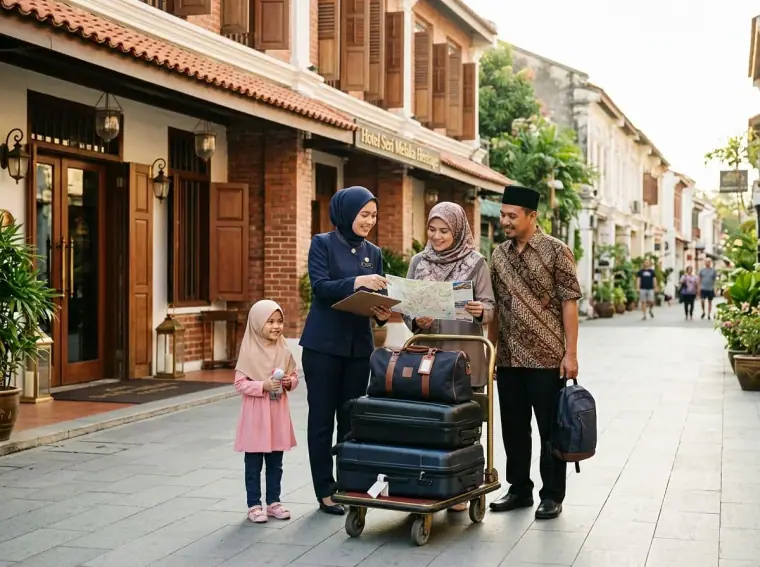
Dress modestly in villages, markets, religious spaces, and adat-related places. Light, comfortable clothing works well, but it should still feel respectful.
Ask before photographing people, homes, children, family areas, or religious spaces. A landscape photo is different from a close photo of someone’s daily life.
Do not enter homes, private courtyards, or Rumah Gadang interiors without permission. If a space feels personal, treat it as personal.
When giving or receiving something, using the right hand or both hands is often read as polite.
Keep your voice and behavior calm in religious, family, or traditional areas. A calm tone usually fits better than loud or intrusive behavior.
Respect prayer times and local routines. If people are closing a shop, preparing for prayer, or busy with family matters, give them space.
None of this needs to feel complicated. It is mostly about remembering that cultural places are also lived spaces.
Common mistakes travelers make
One common mistake is reducing Minangkabau culture to Rumah Gadang and rendang. Both matter, but they are only entry points.
Another mistake is rushing cultural stops between nature destinations. A village visit or market walk needs time. If you arrive, take photos, and leave quickly, you may technically see the place but miss the meaning.
Some travelers photograph people without asking. This can feel intrusive, especially around homes, children, markets, and religious spaces.
Matrilineal culture is also often simplified too much. It is better to say less and listen more than to repeat a half-understood explanation.
Travelers sometimes treat villages like open-air museums. They are not. They are living places with work, privacy, prayer, family matters, and ordinary routines.
Another mistake is visiting cultural places without enough context. You can still enjoy the trip, but many details become easier to understand with a good host or guide.
How to include culture in a West Sumatra trip
A short West Sumatra trip can still include cultural context if you keep the route focused. Padang and Bukittinggi are a good base combination for food, markets, Rumah Gadang context, and nearby cultural routes.
A fuller first trip can add one village or Rumah Gadang visit, plus enough time for a market stop or traditional meal. Do not make culture something squeezed between two long drives.
With more time, you can combine Padang, Bukittinggi, Harau Valley, Lake Maninjau, village roads, food experiences, and cultural stops in a calmer route. The 7-day West Sumatra itinerary is a useful starting point if you want more room for context.
The best cultural travel in West Sumatra is rarely about adding more stops. It is about giving the right stops enough time.
When a local guide helps
A local guide is most useful when the experience involves people, homes, markets, villages, or adat spaces, because respect matters as much as access.
A guide can explain why a place matters, help ask permission, choose better timing, and prevent the visit from becoming only a photo session. This is especially helpful for Rumah Gadang visits, village routes, markets, and cultural conversations where a quick explanation can easily become too simple.
Private planning can also help combine culture with food, highland scenery, and family comfort without making the route feel heavy. If you want a West Sumatra trip shaped around cultural context, local manners, and better pacing, Calvoya can help design a custom West Sumatra trip around the way you prefer to travel.
FAQ
What is Minangkabau culture known for?
Minangkabau culture is known for Rumah Gadang architecture, Padang food, adat, matrilineal heritage, family-based social life, and Muslim daily life.
What does adat mean in Minangkabau culture?
In a simple travel context, adat means inherited customs, manners, social rules, and ways of organizing community life. It can shape family spaces, ceremonies, respect, and behavior in public or traditional settings.
Is Minangkabau culture matrilineal?
Yes, Minangkabau culture is widely known for its matrilineal kinship system. In broad terms, this means family lineage and certain forms of customary inheritance are often connected to the female line. The details can vary, so travelers should avoid oversimplifying it.
What is Rumah Gadang?
Rumah Gadang is a traditional Minangkabau house known for its distinctive curved roof. It is an important cultural symbol and can be connected to family, adat, and identity.
Can travelers visit Rumah Gadang in West Sumatra?
Yes, some Rumah Gadang can be visited, especially those prepared for cultural tourism. Access varies, so travelers should ask permission, follow local guidance, and avoid photographing private areas without consent.
What should I wear when visiting cultural places in West Sumatra?
Modest, comfortable clothing is best. This is especially true in villages, markets, mosques, traditional houses, and family areas. Light clothing works well, but it should still feel respectful.
Do I need a guide to understand Minangkabau culture?
You can visit many places independently, but a guide helps when cultural context matters. This is especially useful for Rumah Gadang visits, markets, village routes, adat spaces, and conversations about matrilineal heritage.
Minangkabau culture is best approached with patience. Eat slowly, ask before photographing people, listen more than you explain, and treat homes, markets, and villages as living places. West Sumatra is easier to appreciate when you remember that its culture belongs first to the people who live there.