Halal Travel Guide to West Sumatra: Food, Prayer, and Family Travel Tips
For Muslim travelers, West Sumatra is generally easy to plan around food, prayer, modest clothing, and family comfort. Halal meals are usually simple to arrange in main towns, mosques are part of daily life in many areas, and the local rhythm often feels natural for families.
The real planning challenge is usually not finding halal food in Padang or Bukittinggi. It is arranging the route well: prayer stops, meal timing, children’s comfort, older parents, winding roads, simple rural facilities, and nature stops that may not have everything nearby.
This halal travel guide to West Sumatra will help you plan a smoother trip through Padang, Bukittinggi, Harau Valley, Lake Maninjau, and nearby highland routes.
Is West Sumatra good for halal travel?
Yes. West Sumatra is generally comfortable for Muslim-friendly travel, especially around Padang, Bukittinggi, and many Minangkabau highland routes.
Halal food is usually easy to arrange in towns and along common travel routes. Mosques and prayer spaces are common in populated areas. Modest clothing also fits well with local expectations, especially in villages, markets, mosques, and family spaces.
Still, a good halal trip needs planning. Waterfalls, viewpoints, rice fields, village roads, and lake routes may have simple facilities. A route that looks easy on paper can become tiring when prayer time, meals, restrooms, and road comfort are not planned well.
For Muslim families, the best West Sumatra trip is usually not the busiest one. It is the one with enough time to eat calmly, pray without rushing, rest between drives, and enjoy the highlands at a human pace.
Why Muslim travelers feel comfortable in West Sumatra
West Sumatra is strongly shaped by Minangkabau Muslim culture. In many towns and villages, daily life is visibly shaped by mosques, halal food, modest dress norms, and Islamic social habits.
For travelers, this makes the journey feel easier. Prayer stops are usually easier to arrange in populated areas. Families also tend to feel more at ease in a setting where modest public behavior is normal.
That comfort does not mean every stop has full tourist facilities. A small viewpoint, rural waterfall, or quiet lakeside area may still be basic. The better mindset is simple: West Sumatra is friendly for Muslim travel, but nature routes still need thoughtful planning.
Halal food in Padang, Bukittinggi, and highland routes
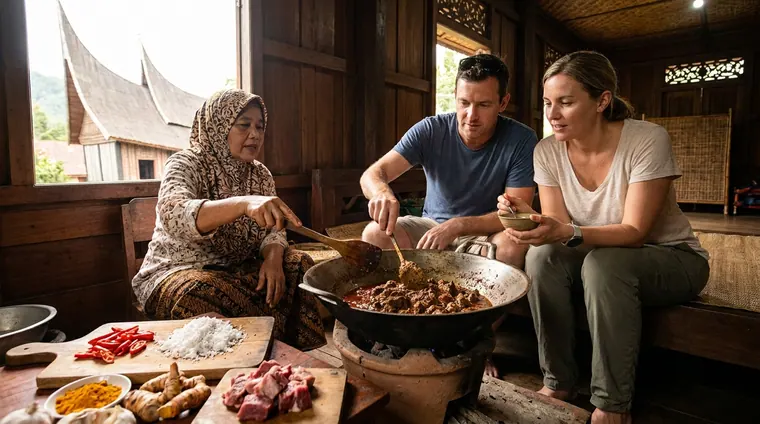
Padang food is known across Indonesia, but eating it in its home region gives the experience more context. Rendang, gulai, nasi kapau, sate Padang, and local snacks can all become part of the journey.
In Padang and Bukittinggi, halal meals are generally easy to plan. Many local restaurants and family dining places are already shaped by Muslim daily life.
Padang is a good starting point for food-focused travelers. It works as an arrival city, but it is also worth a short stay if you want to understand the region through its meals, markets, and local rhythm. For more context, see the Padang travel guide.
Bukittinggi is also practical for halal travel. It gives you access to highland food, markets, mosques, and day trips without feeling too remote. It is often the easiest base for families who want nature, food, and cultural stops in one route.
Outside main towns, choices can be simpler. Before visiting waterfalls, viewpoints, or rural roads, it is better to eat first or bring snacks, especially if you travel with children. If you are unsure about ingredients in a smaller setting, ask politely.
How to plan prayer stops during road trips
Prayer planning is one of the most useful parts of a halal-friendly West Sumatra trip.
In towns and villages, mosques are usually not difficult to find. The challenge is timing. West Sumatra routes often involve highland roads, photo stops, village areas, rain changes, and winding sections. If the day is too packed, prayer time can feel rushed.
A better route leaves space between major stops. If you are traveling from Padang to Bukittinggi, or from Bukittinggi toward Harau Valley or Lake Maninjau, plan the day around meals and prayer rather than trying to cover too many places.
A private driver can help arrange this more naturally. Local drivers often know where it is easier to stop, which towns are better for meals, and when a nature route may not have clean facilities nearby.
It can also help to bring a small travel prayer mat, tissues, wet wipes, and water.
Modest clothing and local etiquette
Modest clothing is appreciated in West Sumatra, especially in villages, markets, mosques, family areas, and traditional settings.
For men and women, light and breathable clothing works best. Padang can feel warm, while the highlands may feel cooler in the morning or after rain. Women may find a scarf or shawl useful when entering religious or more traditional spaces.
Very revealing clothing can feel out of place in towns, markets, religious spaces, and highland villages.
Photography also needs care. Scenery photos are usually easy, but close photos of people, homes, markets, children, or religious places should be taken respectfully. Ask first when the subject is personal. A small gesture of politeness can change the whole interaction.
Best places for a first Muslim-friendly trip
Padang
Padang is the main gateway for most West Sumatra trips. It is a practical first stop because halal meals, mosques, and simple city logistics are easier to arrange before moving into the highlands.
For many travelers, one night in Padang is enough. Food-focused travelers may enjoy more time before moving inland.
Bukittinggi
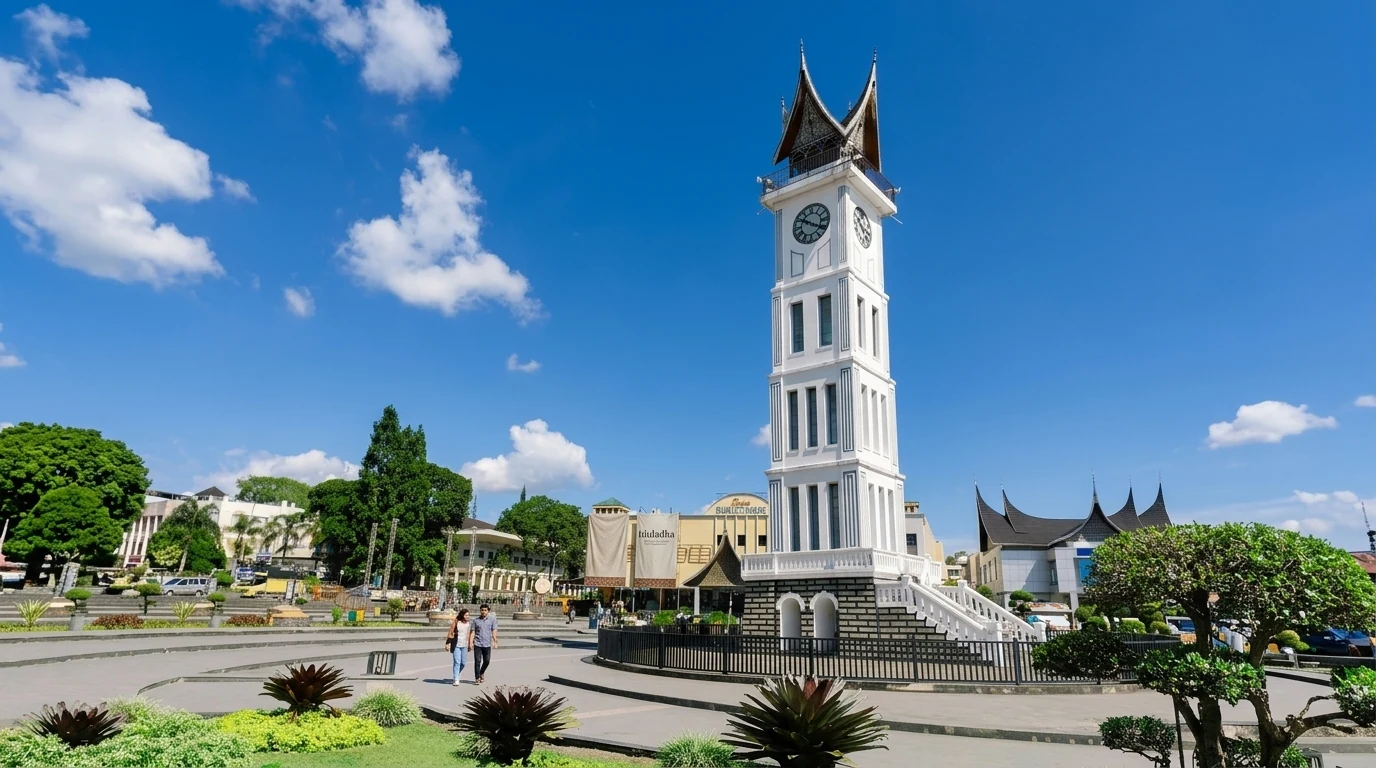
Bukittinggi is often the best highland base for a first Muslim-friendly trip. It has easier access to hotels, food, mosques, markets, and nearby day trips than smaller rural areas.
It works well for families because you can return to the same hotel after day trips instead of changing accommodation too often. For a fuller overview, read the Bukittinggi travel guide.
Harau Valley
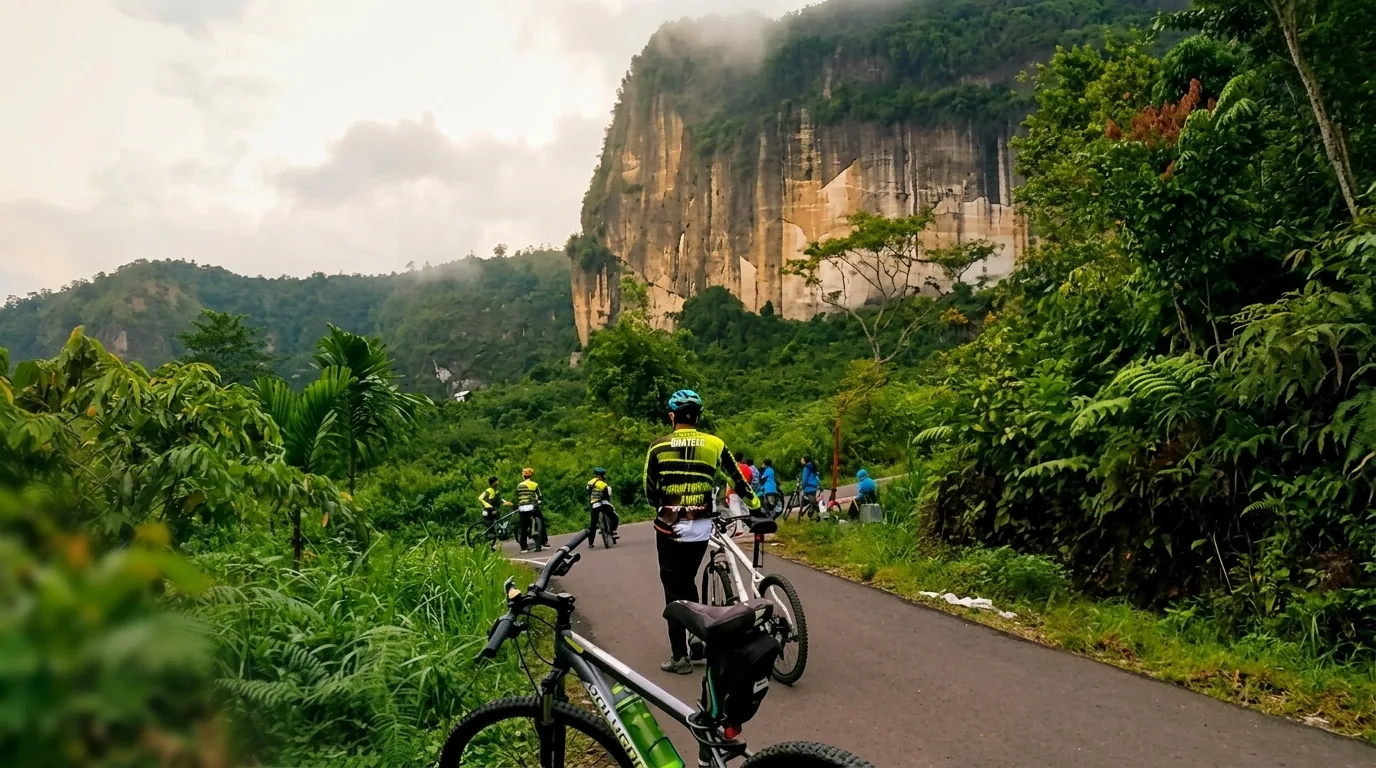
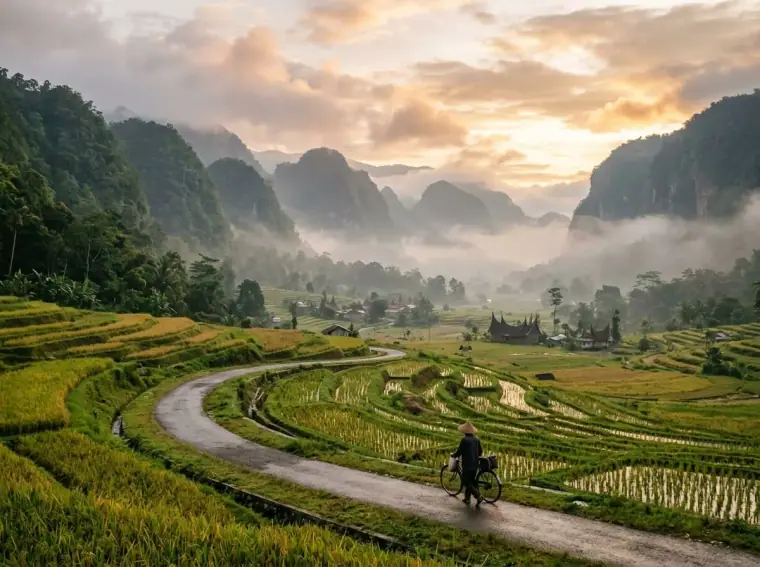
Harau Valley can work well for Muslim travelers who want nature without making the route too intense.
The planning detail matters. Facilities can be simple in some nature areas, so prayer timing, footwear, meals, and restroom stops should be considered before leaving town. The Harau Valley travel guide explains how to visit with better pacing.
Lake Maninjau
Lake Maninjau can fit into a Muslim-friendly route, but comfort and timing need care.
The Kelok 44 road is winding, so families, older parents, and travelers who get carsick should keep the day flexible. For a more focused guide, see the Lake Maninjau travel guide.
A route that works for families
A short Muslim-friendly West Sumatra trip should stay simple. Padang and Bukittinggi are enough for three to four days, especially if you want food, markets, and one nearby nature stop.
With five days, add one major nature area rather than trying to fit everything in. Harau Valley or Lake Maninjau can work, but the route should not change hotels too often. For a realistic plan, use the 5-day West Sumatra itinerary as a starting point.
With seven days, the route has more breathing room. You can include Padang, Bukittinggi, Harau Valley, Lake Maninjau, food stops, prayer-friendly pacing, and some cultural context. The 7-day West Sumatra itinerary is a better base for travelers who want a fuller first experience.
For families, fewer stops are usually better. A trip with calm meal times, prayer space, and enough rest will feel better than a route that looks impressive but leaves everyone tired.
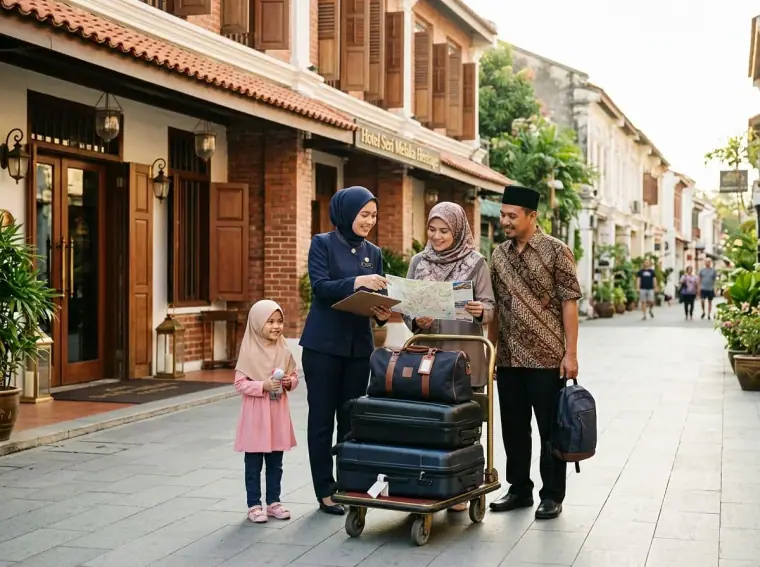
Traveling with children or older parents
West Sumatra can work well for families, but the route needs to be realistic.
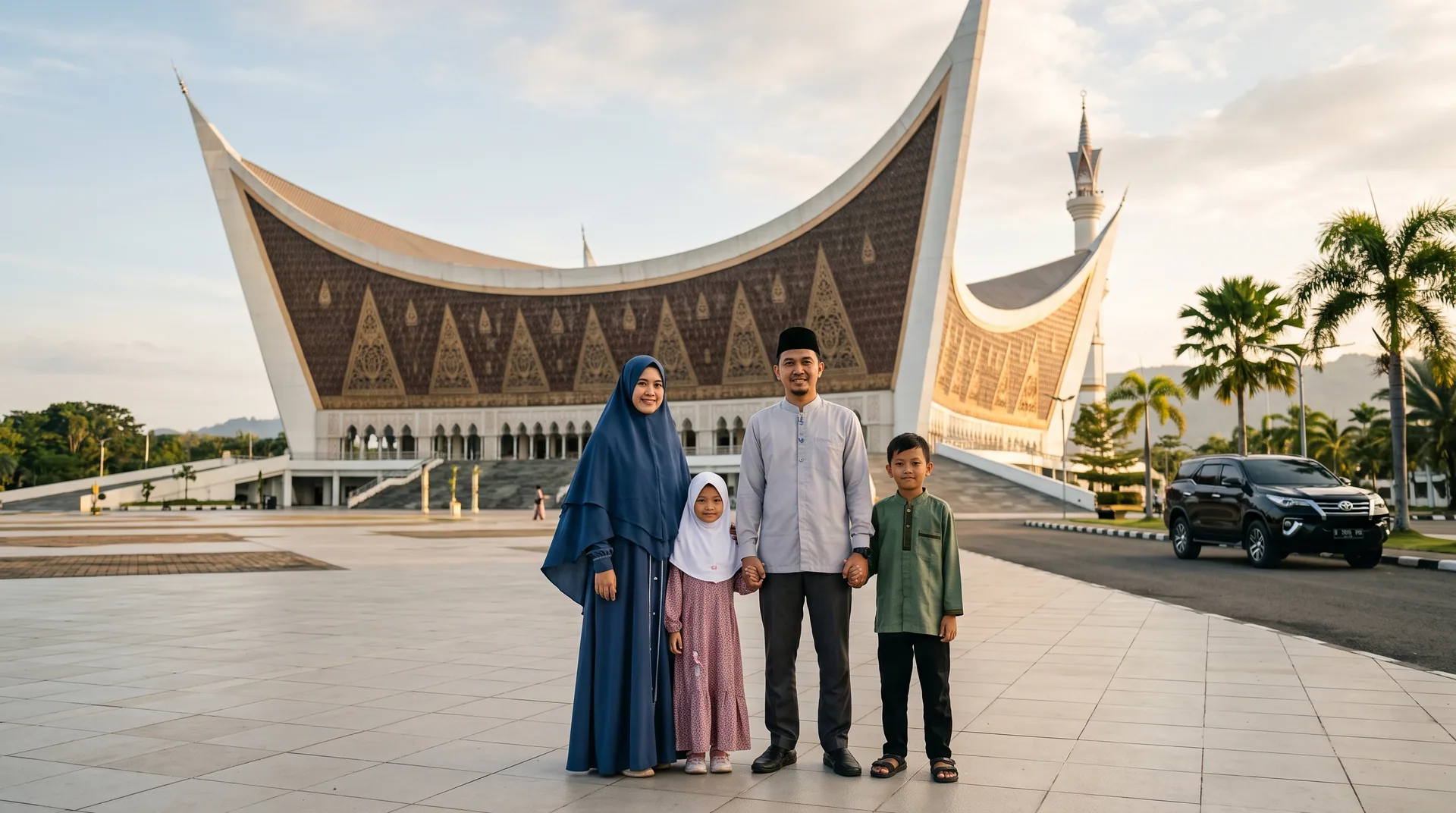
Children may enjoy food stops, village roads, light nature visits, and short walks. Long transfers, too many hotel changes, and late meals can make the trip harder than it needs to be. Older parents may enjoy the scenery and culture, but winding roads and uneven ground can become tiring.
Plan around comfort first. Keep meal times predictable. Carry water and snacks. Bring motion sickness medicine if someone usually needs it. Choose accommodation for rest and access, not only views. Avoid making every day a full driving day.
For Lake Maninjau, be careful with winding roads. For Harau Valley, choose walking sections that match the group’s ability. For Padang and Bukittinggi, leave enough time for meals, prayer, and rest.
A slower trip is not a weaker trip. For Muslim family travel, good pacing often makes the journey feel more meaningful.
What to prepare before leaving town
Before leaving Padang or Bukittinggi for a nature route, check the simple things first.
Eat before a longer drive if the next meal stop is uncertain. Bring snacks for children. Carry enough cash for smaller places. Prepare light rain protection because highland weather can change. Keep tissues, wet wipes, and drinking water in the car.
Restrooms also matter. Not every rural or nature stop has facilities that suit every traveler’s comfort level. Families and older travelers should plan this early, not after everyone is tired.
Accommodation should also be checked carefully. Some rural stays may be charming but simple. For families, older parents, or travelers who need more comfort, it may be better to stay in Padang or Bukittinggi and visit rural places as day trips.
Planning a smoother halal trip
A private driver is not required for every Muslim traveler, but it can make the journey easier for families, older parents, and first-time visitors.
The benefit is not only transport. A good private route helps with prayer timing, halal meal stops, rest breaks, realistic day lengths, and choosing which places to skip when the weather or group energy changes.
This is useful when combining Bukittinggi, Harau Valley, Lake Maninjau, village stops, markets, and food experiences. Without planning, the day can become crowded. With better pacing, the same route can feel calm and personal.
If you want a Muslim-friendly West Sumatra trip shaped around prayer timing, halal meals, family comfort, and realistic highland pacing, Calvoya can help shape a custom West Sumatra trip around your needs.
FAQ
Is West Sumatra good for Muslim travelers?
Yes. West Sumatra is generally comfortable for Muslim travelers, especially around Padang, Bukittinggi, and many Minangkabau highland routes. The main planning need is road timing, prayer stops, and simple facilities in nature areas.
Is halal food easy to find in West Sumatra?
Yes, especially in Padang, Bukittinggi, and common travel routes. For waterfalls, viewpoints, and rural roads, eat first or bring snacks.
Are prayer stops easy to arrange in West Sumatra?
In populated areas, prayer stops are usually easy to arrange. On nature routes, timing matters more. Plan prayer before visiting waterfalls, viewpoints, rural lake areas, or long road sections.
What should Muslim travelers wear in West Sumatra?
Modest, comfortable clothing is best. Light breathable outfits work well for Padang, while a light layer can help in the highlands. A scarf or shawl may be useful for women entering religious or traditional spaces.
Is West Sumatra suitable for Muslim families?
Yes, with realistic pacing. Families should avoid overpacked routes, plan meals and prayer stops, choose fewer hotel changes, and be careful with winding roads or long driving days.
Do I need a private driver for a halal-friendly trip?
You do not need one for every trip, but a private driver helps with prayer stops, halal meals, family pacing, road timing, and combining several highland destinations comfortably.
Can I combine Harau Valley and Lake Maninjau in a Muslim-friendly route?
Yes, with enough time and good pacing. It is easier in a seven-day route than a short trip. Families should avoid forcing both into a packed schedule if it makes prayer, meals, and rest feel rushed.
West Sumatra works well for Muslim travelers when the route gives enough space for prayer, meals, rest, and family comfort. The trip usually feels better when no one has to rush a meal, skip prayer, or push through a long road day while tired.