Is West Sumatra Worth Visiting? A Practical Guide for First-Time Travelers
West Sumatra is worth visiting if you want a more grounded side of Indonesia: highland towns, Minangkabau food, village roads, markets, valleys, and a travel pace that feels calmer than the country’s major resort areas.
It is not the easiest choice for every traveler. If your ideal trip is built around resort towns, nightlife, short transfers, and highly developed visitor services, West Sumatra may feel too quiet or too spread out. But if you enjoy road journeys, local food, culture, highland scenery, and places that still feel close to daily life, the region can be a rewarding first trip.
This guide will help you decide whether West Sumatra is right for you, how many days to spend, which places to know first, and how to plan the route without making it too rushed.
Is West Sumatra worth visiting?
Yes, for the right traveler.
West Sumatra is a strong choice if you are drawn to Minangkabau culture, Rumah Gadang architecture, Padang food, traditional markets, cooler highland towns, road trips, rice fields, valleys, lakes, and nature stops such as Harau Valley, Sianok Canyon, and Lake Maninjau.
It is also a good fit for travelers who prefer a route that feels more local and less shaped around large-scale tourism.
It may not be the right fit if you mainly want resort-style beach holidays, nightlife, easy public transport between every stop, polished facilities in rural areas, or a very short trip with no long drives.
That last point matters. West Sumatra asks for a little patience. Roads can feel slow, rural facilities can be simple, and a place that looks close on the map may still take time to reach.
For some travelers, that is inconvenient. For others, it is exactly why the trip feels worthwhile.
What West Sumatra feels like
West Sumatra is strongest as a road journey.
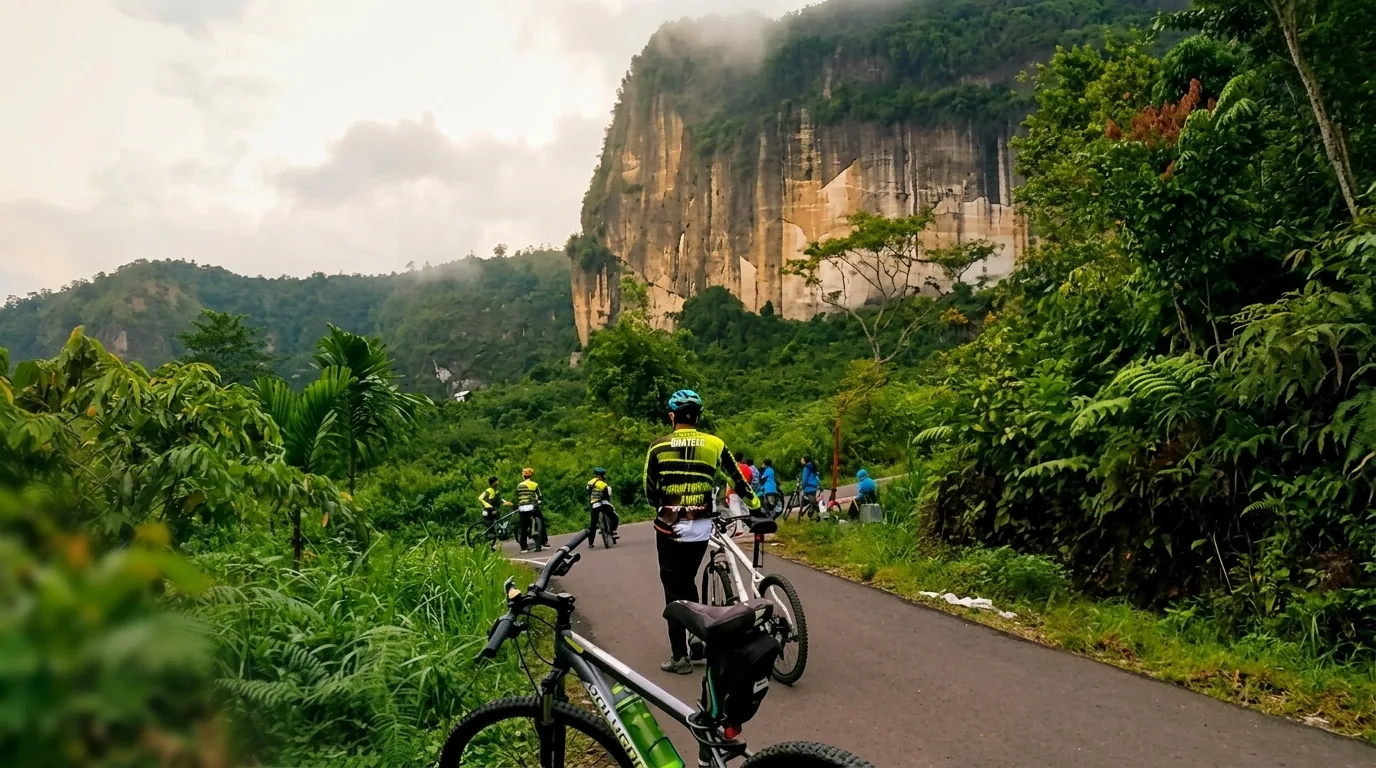
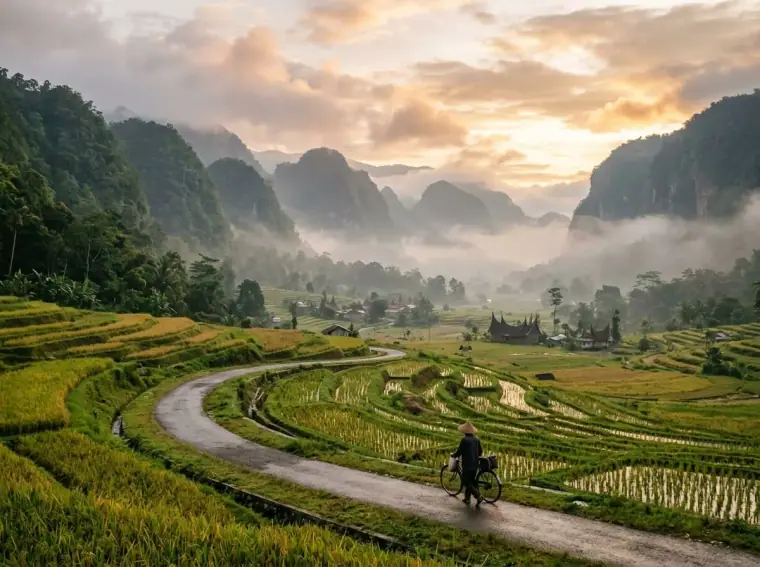
You move from Padang’s coast and food streets into the highlands around Bukittinggi. From there, the route can open into canyon views, rice fields, markets, village roads, waterfalls, crater lake viewpoints, and quiet stops that do not always feel designed for visitors.
The best moments are not always the big attractions. Sometimes it is a roadside snack, a market visit, a view after rain, a small mosque beside a rice field, or a village road that stays in memory.
The region also has a clear cultural identity. Minangkabau architecture, food, markets, village life, and Islamic social norms shape the way travel feels here. You do not need to understand every detail before visiting, but respect and curiosity will make the trip better.
Who will enjoy West Sumatra most?
Culture and food travelers
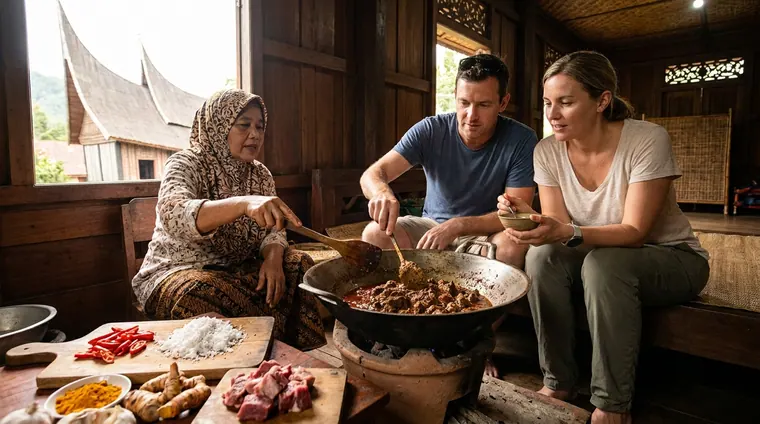
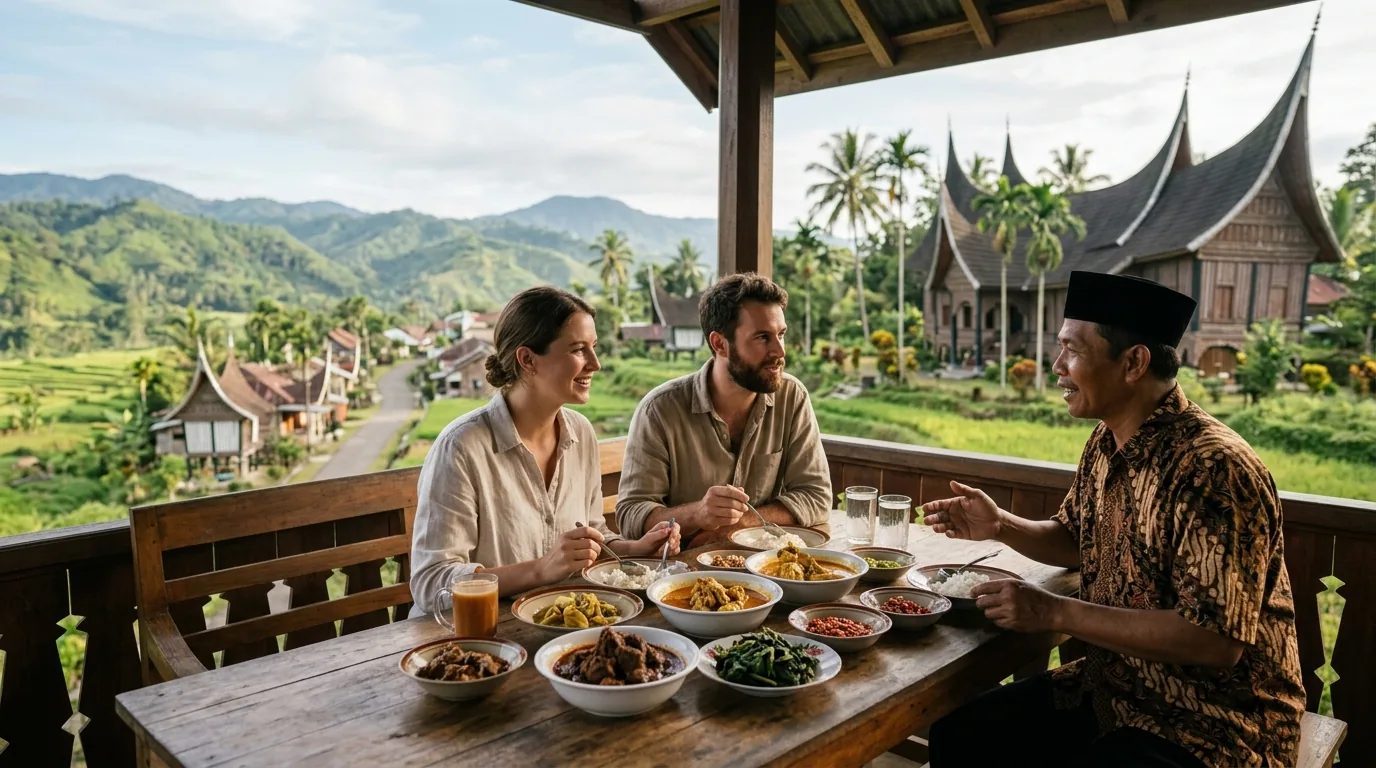
West Sumatra is one of Indonesia’s strongest food regions. Many travelers know nasi Padang before they know much about the province itself. Eating it in its home region gives the food more context: richer choices, local rhythm, traditional restaurants, markets, and dishes you may not often see outside Sumatra.
Padang is the natural starting point for this side of the journey. It works as a gateway city, but it is also worth a short stay for food, coastal atmosphere, and the first layer of Minangkabau life. For a closer look, read the Padang travel guide.
Culture-focused travelers will also find Rumah Gadang architecture, highland villages, local markets, and Minangkabau social life worth exploring. A guide or local host can help because many details are easy to miss when you only pass through.
Nature and photography travelers
West Sumatra works well for travelers who like hills, valleys, rice fields, lakes, waterfalls, and rural scenes.
The region does not rely on one single landmark. Its appeal builds across several places: Sianok Canyon, Harau Valley, Lake Maninjau, highland viewpoints, village roads, and the drives between them.
For photographers, the variety helps. Morning mist, market activity, road bends, rice fields, cliffs, mosques, food tables, and everyday family life can all become part of the story. The key is to leave enough space in the route.
Families and Muslim-friendly travelers
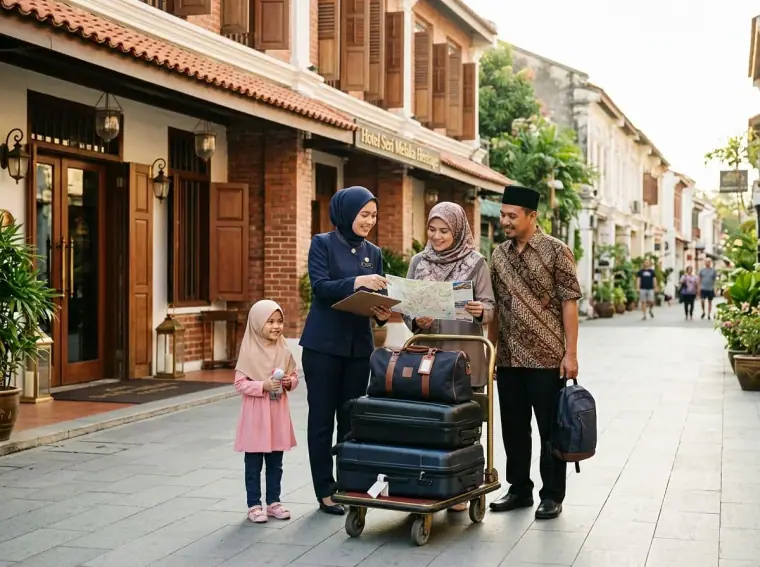
West Sumatra can work well for families, especially with a private driver and realistic pacing. Food is generally easy to plan, towns have mosques and prayer spaces, and local norms tend to suit modest, family-oriented travel.
The practical side still matters. Smaller viewpoints, waterfalls, and village areas may have limited facilities. Families should plan shorter walking sections, flexible meal stops, and enough rest between drives.
Slow travelers and repeat Indonesia visitors
West Sumatra often suits travelers who have seen Indonesia’s more famous routes and want a different rhythm. It is a good match for people who enjoy staying longer in one area, taking road trips, talking to local hosts, and letting the route breathe.
It can also suit couples who prefer calm places, highland air, and food-focused travel over crowded visitor zones.
Who may not enjoy West Sumatra as much?
West Sumatra may not be the easiest choice if your ideal trip is a resort-based holiday with short transfers, nightlife, and highly developed tourism services.
Some areas are simple. Roads can be winding. Weather can shift quickly in the highlands. Rural hotels and homestays may not match the comfort level of major resort regions.
Travelers who dislike long drives should be careful with route planning. Bukittinggi, Harau Valley, Lake Maninjau, and other highland stops are rewarding, but they are not always quick to connect.
This does not make West Sumatra difficult in a negative sense. It means the region is better for travelers who accept a more local, road-based style of trip.
Main places to know before you go
Padang
Padang is the main gateway for most West Sumatra trips. It is useful for arrival and departure, but it is also worth a short stay for food, coastal atmosphere, old streets, and access to highland routes.
One night can be enough for many travelers. Food-focused visitors may enjoy more time.
Bukittinggi
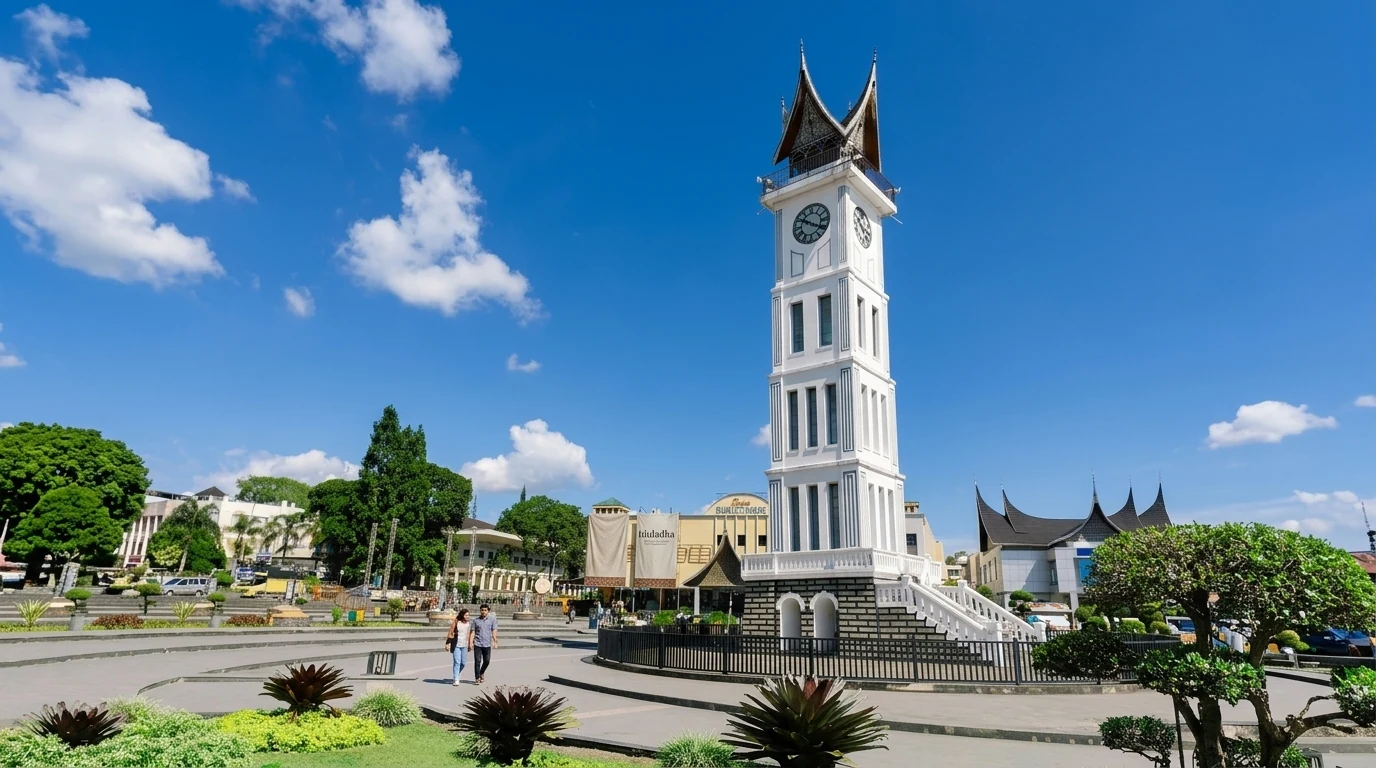
Bukittinggi is the most practical highland base for first-time visitors. It gives access to Jam Gadang, Sianok Canyon, local markets, and day trips to nearby villages, Lake Maninjau, and cultural routes.
For many private trips, Bukittinggi is where West Sumatra starts to feel more distinctive. Read the Bukittinggi travel guide before planning your highland stay.
Harau Valley
Harau Valley is known for cliffs, waterfalls, rice fields, village roads, and simple nature stays. It is a good choice for travelers who want light walking, photography, and a softer rural setting.
It should not be rushed as a quick photo stop. The Harau Valley travel guide explains how to visit with better pacing.
Lake Maninjau
Lake Maninjau is a quieter crater lake route west of Bukittinggi. It is best known for hilltop views, the Kelok 44 winding road, and lakeside village atmosphere.
It suits travelers who enjoy road trips, viewpoints, and slower scenery. The Lake Maninjau travel guide gives a focused look at how to plan it.
Mentawai and Mandeh
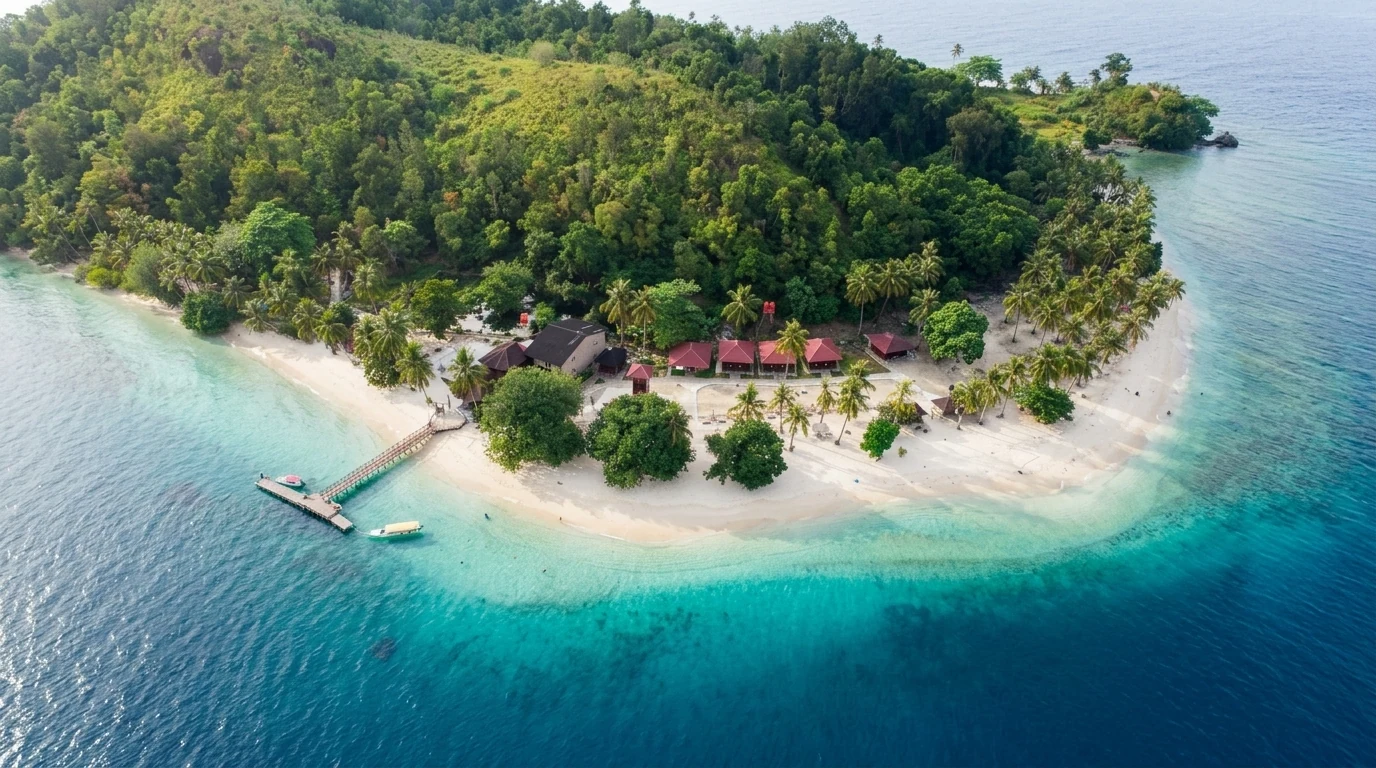
Mentawai and Mandeh are better treated as extensions rather than casual add-ons. Mentawai often needs separate island planning, while Mandeh can fit into some Padang-based coastal routes. Both should be planned with proper time, not squeezed into a short highland trip.
How many days do you need in West Sumatra?
3 to 4 days
Three to four days are enough for a short introduction, usually Padang and Bukittinggi. You may be able to add one nearby viewpoint or short nature stop, but the route should stay simple.
This is not enough for a broad West Sumatra trip.
5 days
Five days can work for a focused first route: Padang, Bukittinggi, one major nature stop, and a return to Padang.
For a realistic short route, use this 5-day West Sumatra itinerary as a planning base.
7 days
Seven days gives the trip more room. You can include Padang, Bukittinggi, Harau Valley, Lake Maninjau, food stops, markets, and some cultural context without making every day feel rushed.
The 7-day West Sumatra itinerary is a better fit for travelers who want a fuller first experience.
10 days or more
With 10 days or more, you can think beyond the main highland route. Depending on your interests, you might add Mentawai, Mandeh, Sawahlunto, Solok, Lake Singkarak, deeper cultural routes, or more village-based stays.
Longer trips should still be selective. West Sumatra is better when the route has space.
Practical things to know before visiting
Most international travelers arrive through Padang. From there, routes usually move inland toward Bukittinggi or outward toward island connections.
Road travel can take more time than expected. Highland roads, traffic, rain, and stops can all affect the day. Build some breathing room into your plan.
Cash is useful outside main towns. Smaller places may not accept foreign cards or international digital payments.
Weather can change quickly, especially in the highlands. Bring light rain protection and keep viewpoint days flexible.
Modest clothing is appreciated in villages, markets, and religious areas. West Sumatra is strongly connected to Minangkabau Muslim culture, so respectful dress and behavior matter.
Halal food is easy to plan in many towns and along common travel routes. In smaller nature areas, it is better to plan meals and prayer stops before leaving the main town.
Do not pack too many regions into a short trip. West Sumatra looks manageable on a map, but the experience becomes weaker when every day is a transfer day.
Common mistakes first-time visitors make
One common mistake is treating West Sumatra as only a place for Padang food. The food is a major reason to come, but the region offers much more through highland routes, culture, and nature.
Another mistake is trying to see everything in five days. Harau Valley, Lake Maninjau, Bukittinggi, Padang, Mandeh, Mentawai, Sawahlunto, and Solok cannot all fit comfortably into one short trip.
Many travelers also underestimate road time. A route may look simple on a map, but highland roads and weather can change the day.
Some travelers rush through Bukittinggi, which can make the highland part of the trip feel thin. Bukittinggi is not only a place to sleep. It is a useful base for markets, canyon views, food, and day trips.
Harau Valley and Lake Maninjau are sometimes treated as quick photo stops. Both are better when given enough time to feel different from the rest of the journey.
Mentawai needs particular care. It should be planned as a proper island or surf extension, not a last-minute addition.
Planning a smoother West Sumatra trip
A private tour is not necessary for every traveler, but it makes sense if you have limited time, want to combine several highland stops, travel with family, or prefer not to manage local transport between towns, villages, and viewpoints.
It is also useful if you care about food and cultural context. A good route is not only about reaching the place. It is about knowing where to stop, when to slow down, what to skip, and how to adjust when rain, traffic, or tiredness changes the plan.
For families, older travelers, photographers, and Muslim-friendly travelers, private planning can make the journey smoother without making it feel rushed.
If this style of travel sounds right, start with a simple route: Padang, Bukittinggi, one or two nature stops, and enough time for food and culture. From there, Calvoya can help shape a custom West Sumatra trip that matches your pace.
FAQ
Is West Sumatra worth visiting for first-time visitors?
Yes, if you enjoy culture, food, highland scenery, road trips, markets, and local travel experiences. It is less suitable if you want resort convenience, nightlife, or a beach-only holiday.
How many days do I need in West Sumatra?
Five days is enough for a focused first trip. Seven days is better for Padang, Bukittinggi, Harau Valley, Lake Maninjau, food, and cultural stops. With 10 days or more, you can add islands, deeper culture, or slower village stays.
Is West Sumatra better for nature or culture?
It is strong for both. The highlands, canyons, valleys, lakes, and rice fields make it good for nature, while Minangkabau food, architecture, markets, and village life give the trip cultural depth.
Is West Sumatra suitable for families?
Yes, with the right pacing. Families should use private transport, avoid overpacked routes, choose shorter walking sections, and plan enough meal and rest breaks.
Is West Sumatra Muslim-friendly?
Yes. Halal food is generally easy to find, mosques are common in populated areas, and modest travel fits local norms. Smaller nature stops may have fewer facilities, so prayer and meal timing should be planned.
Do I need a private driver in West Sumatra?
You do not need one for every trip, but a private driver makes many routes easier, especially for first-time visitors. It helps with highland roads, timing, food stops, prayer stops, and combining several places in one route.
Should I visit West Sumatra or Bali?
Bali is usually easier for resort infrastructure, beach clubs, nightlife, and a highly developed visitor scene. West Sumatra is better suited to travelers looking for highland scenery, food, culture, road journeys, and a calmer local rhythm. They are different kinds of trips, not direct replacements.
West Sumatra is not for every traveler, and that is part of its appeal. Come for food, culture, highlands, and road journeys. Give the route enough time. Let some places stay simple. That is where the region often feels most real.