An old photograph can make you pause over a street you recognize. A magazine can do the same with a familiar place name, an advertisement, or the names printed beneath its masthead. If those details draw you in, PDIKM in Padang Panjang may deserve a place in your West Sumatra journey.
The center preserves records of Minangkabau cultural life, including books, magazines, photographs, and audiovisual material. Some publications have been digitized through a collaboration with Wikimedia Indonesia, giving you a chance to explore the collection before visiting.
For travelers interested in local history, that is a good place to begin. Browse a few records, see what catches your attention, and use those discoveries to decide what you would like to ask about at the museum.
What Is PDIKM?
PDIKM stands for Pusat Dokumentasi dan Informasi Kebudayaan Minangkabau, or the Minangkabau Cultural Documentation and Information Center. It is located in Padang Panjang, West Sumatra.
Its collection brings together material through which people recorded, discussed, and shared Minangkabau life. Wikimedia Indonesia’s partnership page describes books and magazines, photographic collections, microfilm, and audio recordings. It also provides a route into the digitized material available on Wikimedia Commons. Explore the PDIKM partnership and collection overview.
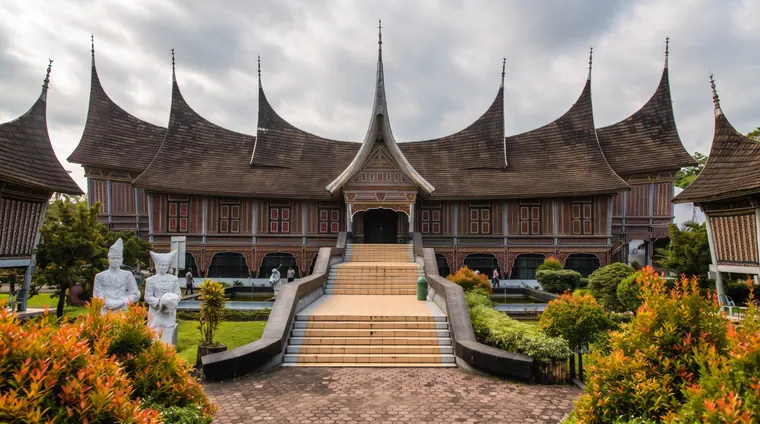
You may also encounter the name Museum Bustanul Arifin when looking up the site. Padang Panjang’s municipal government identifies the museum as being within the PDIKM area. Its June 2026 coverage describes the museum’s collections and discussions about developing literacy and educational activities. Read the municipal report.
Explore the Digitized Collection Before You Go
You can get a feel for PDIKM’s documentary collection from home.
Wikimedia’s November 2018 project report describes digitization work carried out between August and October that year. Publications included Aboean Goeroe-Goeroe, An-Noer, and Berita Koerai, with scans and accompanying descriptions made available online. Read the digitization project report.
The scanned collection includes the April 1927 issue of Aboean Goeroe-Goeroe. Open an issue and spend a little time with the pages. Look at the publication title, layout, names, and any places you recognize. Even when the language takes effort, those details can suggest questions worth following.
You might become curious about who produced a magazine, who read it, or how a town was described at the time. Save the title and filename of anything you want to revisit. They will also help you identify the material clearly if you contact PDIKM. Browse the digitized PDIKM collection.
What to Look for in an Old Photograph or Publication
Start with the details attached to the record. Look for a place, a date, a photographer or publisher, and an explanation of what is shown.
Dates deserve particular attention. A magazine’s publication date, the date of a photograph reproduced inside it, and the date of a later digital upload can refer to different moments. Reading the description carefully helps keep them straight.
Then look more closely at the page or image itself. A street scene might make you curious about a building or a neighborhood. Editorial credits can tell you who helped produce a publication. A caption may offer a name that gives your next search a direction.
Keep your questions specific. “Where was this photograph taken?” or “Who published this magazine?” is easier to investigate than asking one image to explain an entire culture.
For background on the houses, customs, and community life you may encounter during the rest of your trip, read Calvoya’s Minangkabau culture guide.
Is a Physical Visit Worthwhile?
PDIKM is worth considering if you enjoy museums, local publications, historical photographs, or the stories behind familiar places. Before making it a fixed stop, ask what visitors can currently see.
For a general visit, the available displays and interpretation should guide your expectations. Ask whether documentary material is included and whether explanations are available in a language you understand.
If you want to consult a particular magazine, examine an original photograph, or obtain a copy, contact the museum in advance. Include the exact title or digital record, explain your request, and ask what arrangements are possible. General admission and access to a specific stored item may require different arrangements.
Online browsing may already give you what you came looking for. You can spend time with a scanned publication, return to it later, and follow up on names or places at your own pace.
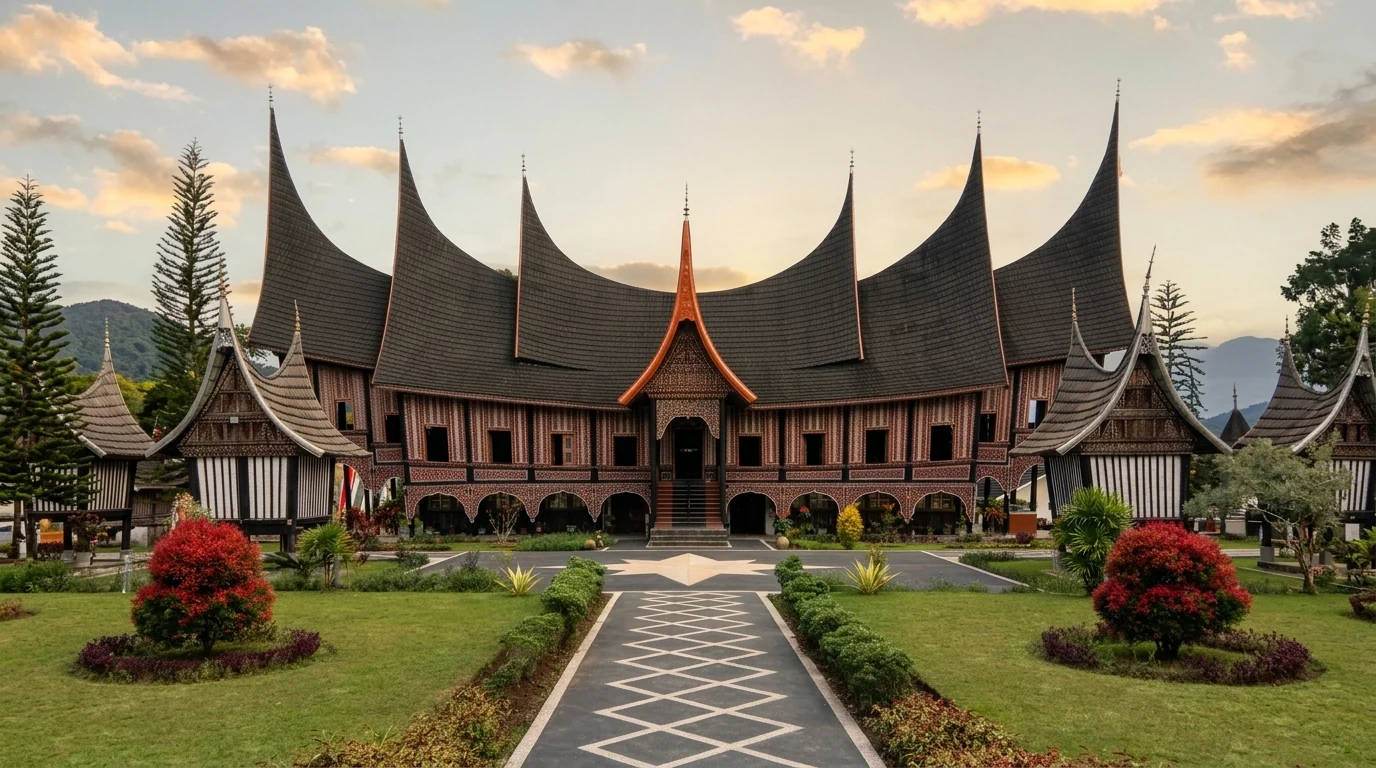
Your interests can also help you choose between cultural stops. Calvoya’s Rumah Gadang architecture guide explores traditional house forms and their cultural meaning. The Adityawarman Museum guide introduces another museum option during a stay in Padang.
Planning Your Visit
The official PDIKM e-ticket page lists admission categories and states that payment is made on site. Check the page for the latest ticket information when planning your visit. View the official PDIKM e-ticket page.
Before setting off, confirm the details that affect your visit.
- Opening hours for your intended date.
- Which museum rooms and displays are accessible.
- Available language support.
- Photography rules and step-free access.
- Any advance arrangements for a specific document request.
If the visit depends on seeing one particular record, wait for confirmation before building your day around it. Otherwise, leave room to explore what is available and ask about anything that interests you.
PDIKM will appeal most to travelers who enjoy following a small historical detail. A place name in a magazine or a question raised by an old photograph can give you something to look for when you return to the streets, villages, and landscapes of West Sumatra.
If museums, old photographs, and local stories are part of your ideal trip, share your interests through Calvoya’s Journey Designer. We would be glad to help you shape a West Sumatra journey with time for the cultural stops that interest you, while leaving any specific document request for separate confirmation with the museum.